
Plastics
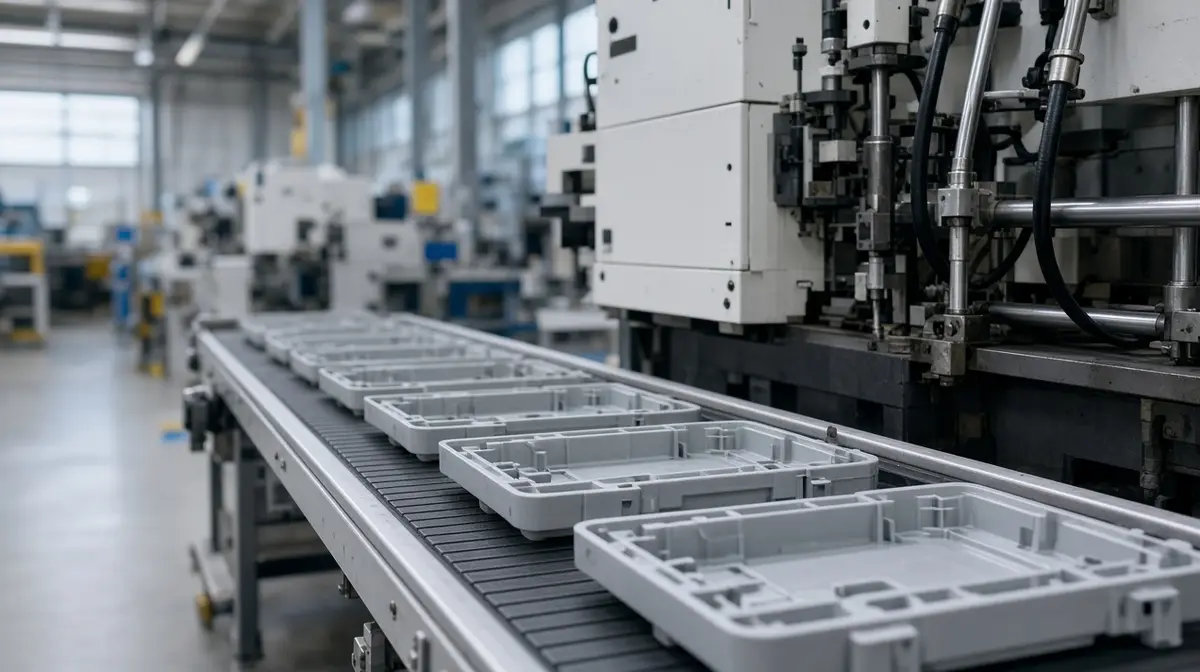
Injection molding: scrap, cycle time, and the job cost
A molding job is won on a cycle time and a scrap rate that the quote treated as standard. The press then runs a different cycle, and the grinder hides the short shots until the resin is gone.
Plastics
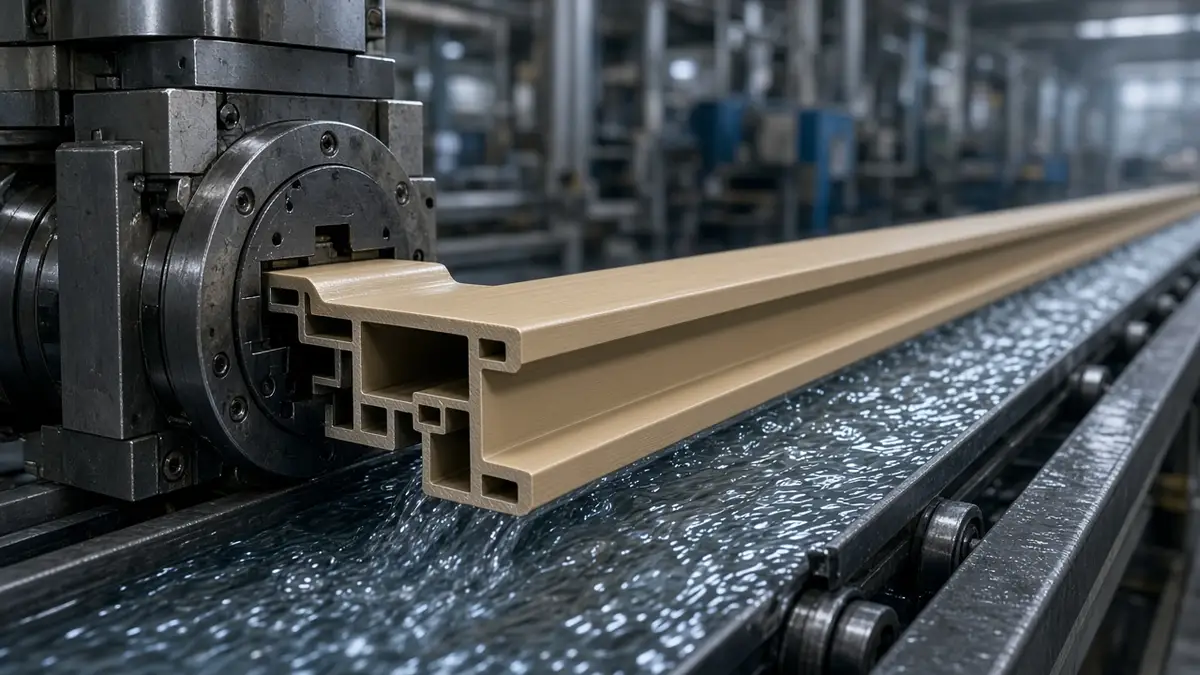
Plastic extrusion: the resin lot and the yield of the run
An extrusion run can look fine on the line and still consume a different resin lot, a different pound per foot, and a different scrap coil than the price assumed.
Plastics
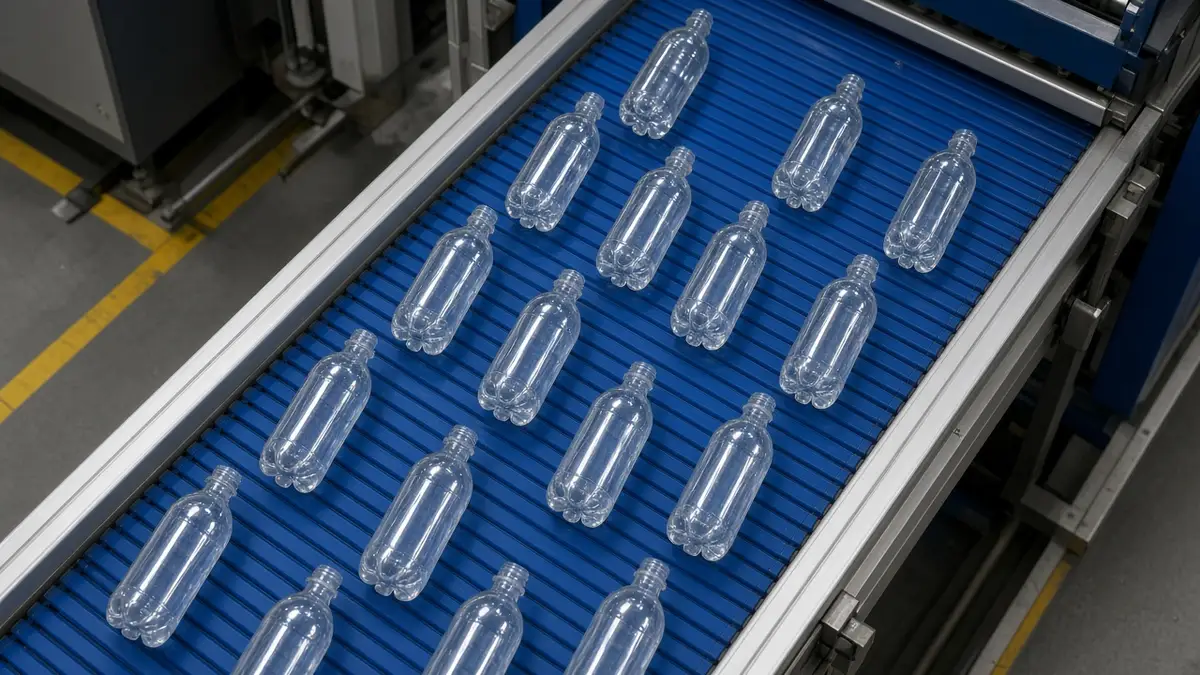
Blow molding: resin, cavities, and what the run really made
A blow molder prices a bottle from a gram weight and a cavity count. The line then runs heavy, drops cavities, and regrinds the difference into a number nobody tied to the order.
Packaging
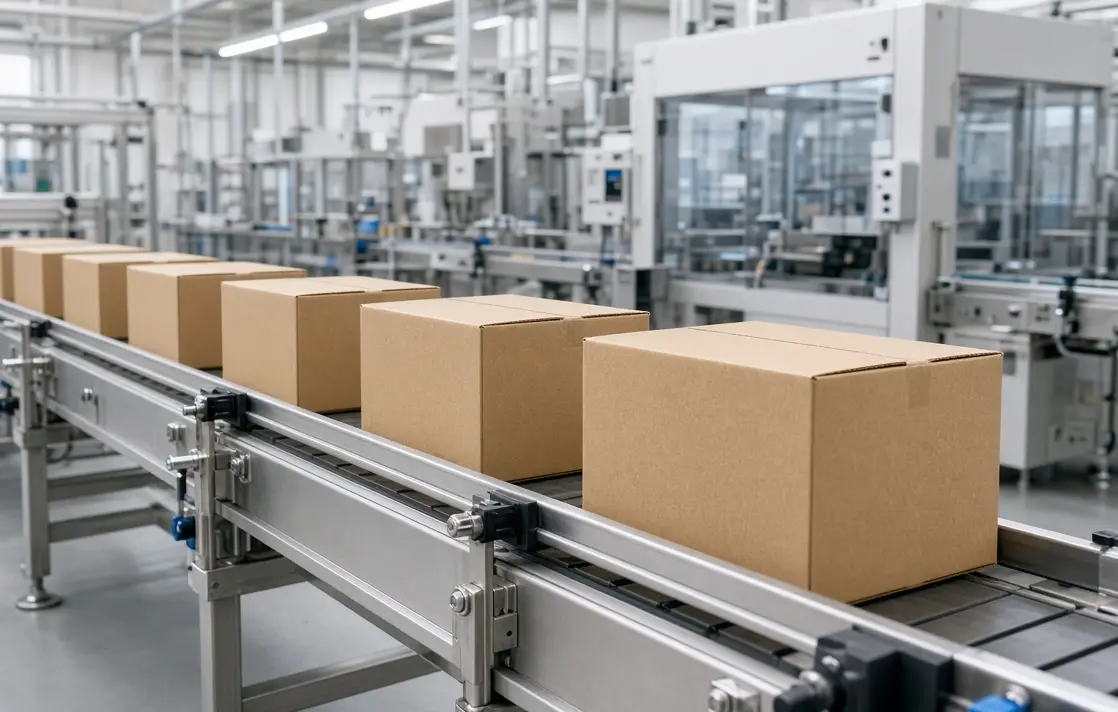
Packaging lines: changeover, components, and the order cost
A packaging order is not only the product inside. It is the carton, the film, the label, the changeover, and the packs the line actually made before the next format started.
Contract packaging
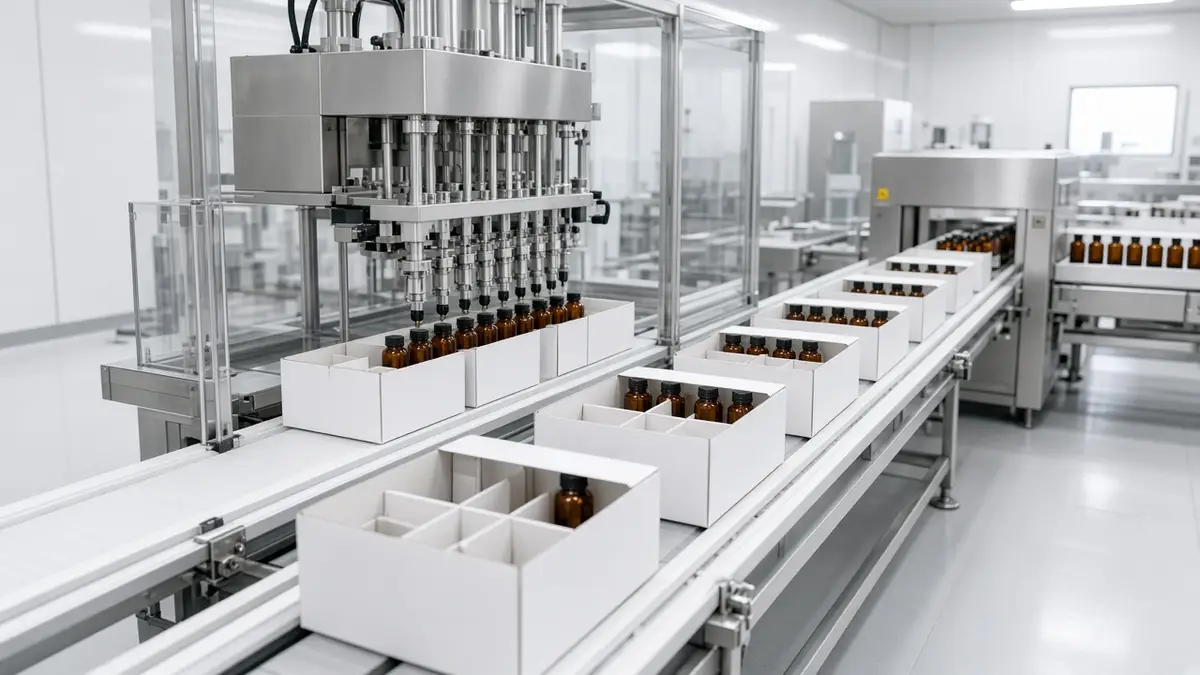
Contract packaging: the customer’s component and the fill
A co-packer can fill a customer’s product and still not be able to say which component lots, which bulk, and which yield went into the finished cases.
Coatings
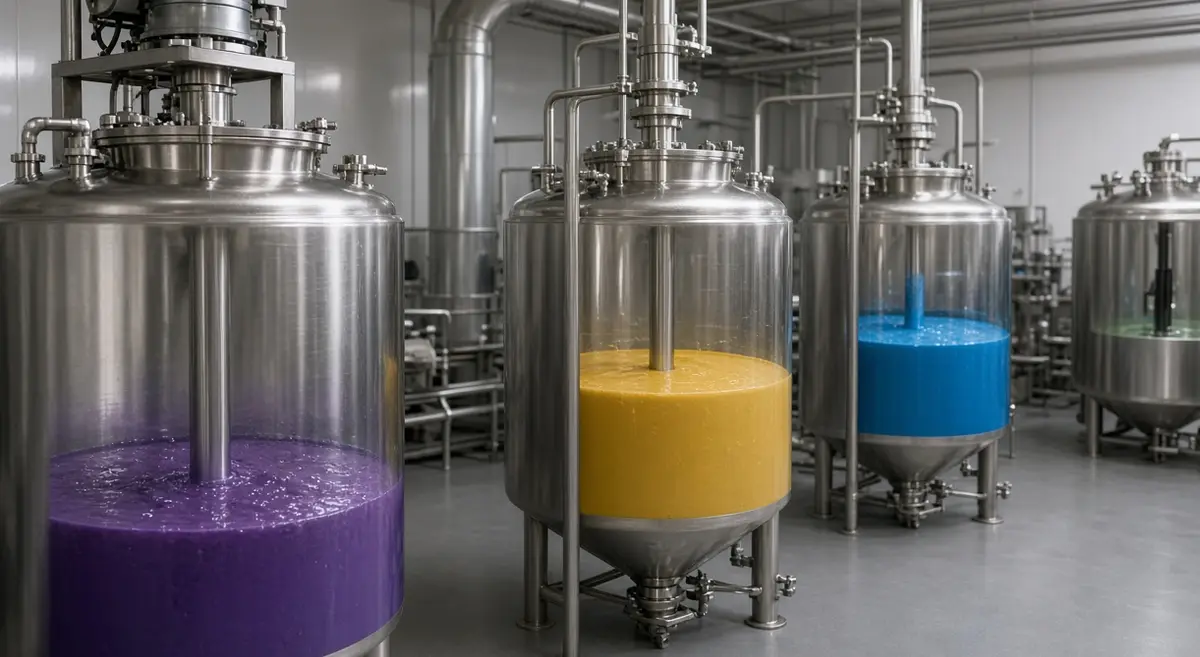
Paint and coatings: the batch, the tint, and the true cost
A coatings batch is priced from a formula and a theoretical yield. The tint is adjusted on the floor, a raw lot is substituted, and the drums filled are not the gallons the quote used.
Adhesives
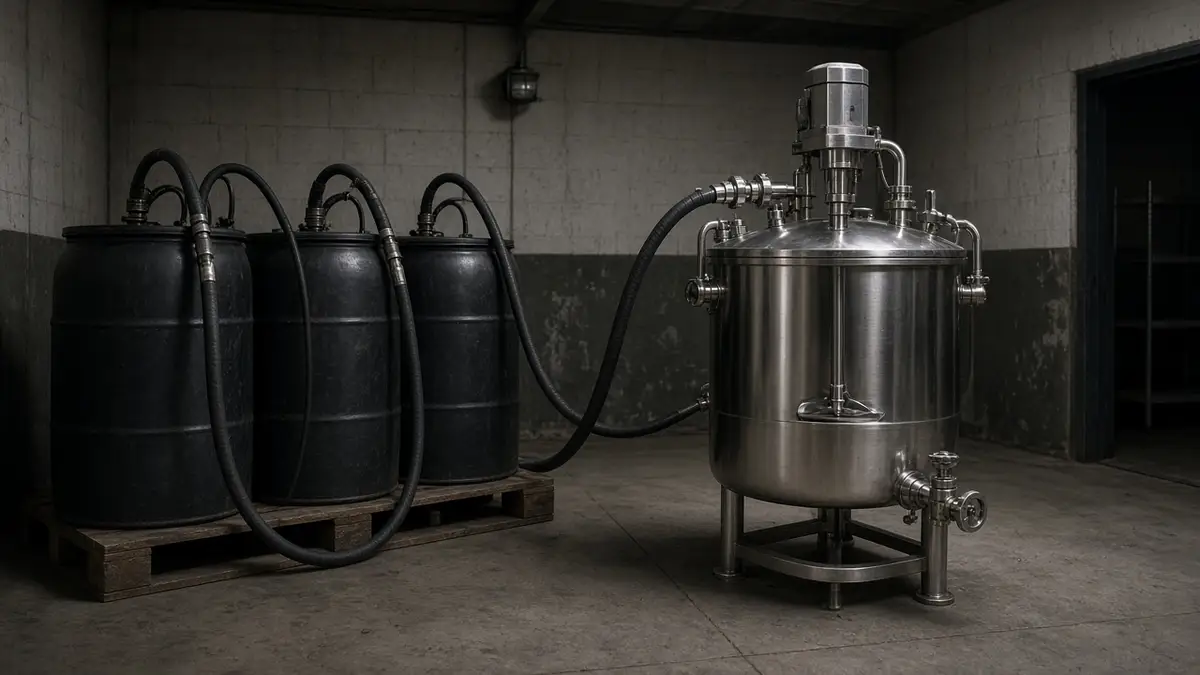
Adhesives: the drum lot, the batch, and what shipped
An adhesive batch can ship in drums whose lot identity is on a stencil, while the formula, the fill weight, and the raw lots live in three other places.
Chemical blending
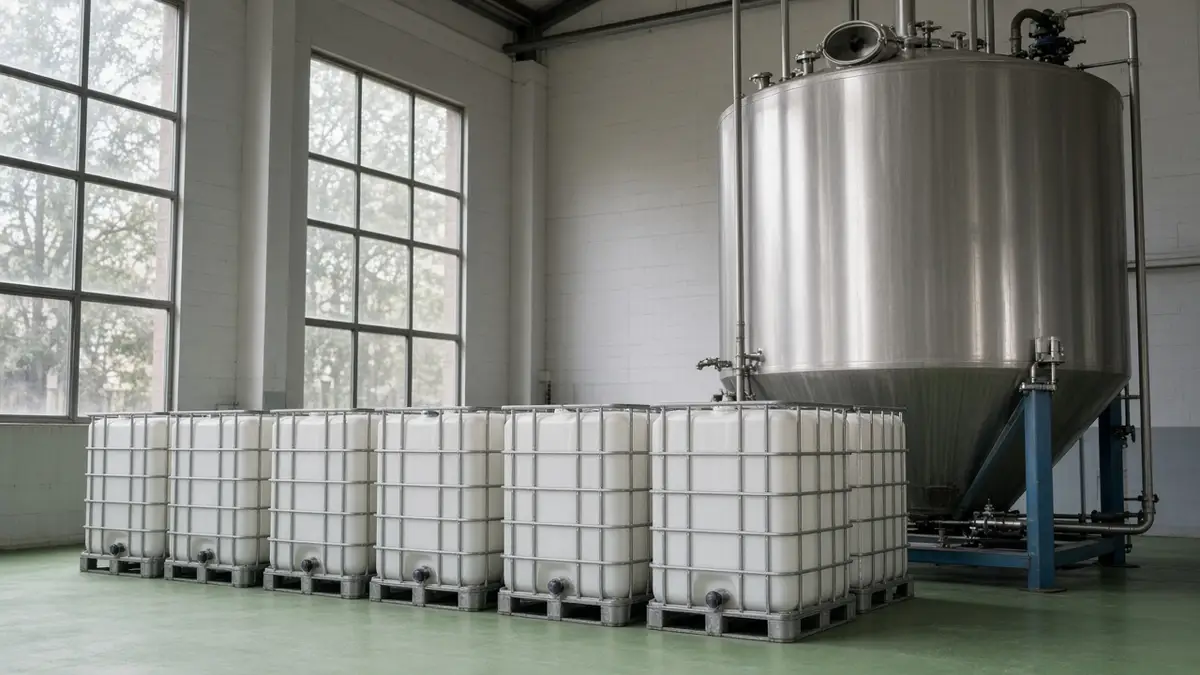
Chemical blending: the tank, the lot, and the batch cost
A blend can leave the tank on specification and still be costed from an old raw-material price and a yield the plant has not hit.

Medical devices
Medical device lots: the history while the lot is still open
A device lot is often reconstructed after the units are packed. Components, checks, and who did the work are assembled when the lot is already closed.
Machining
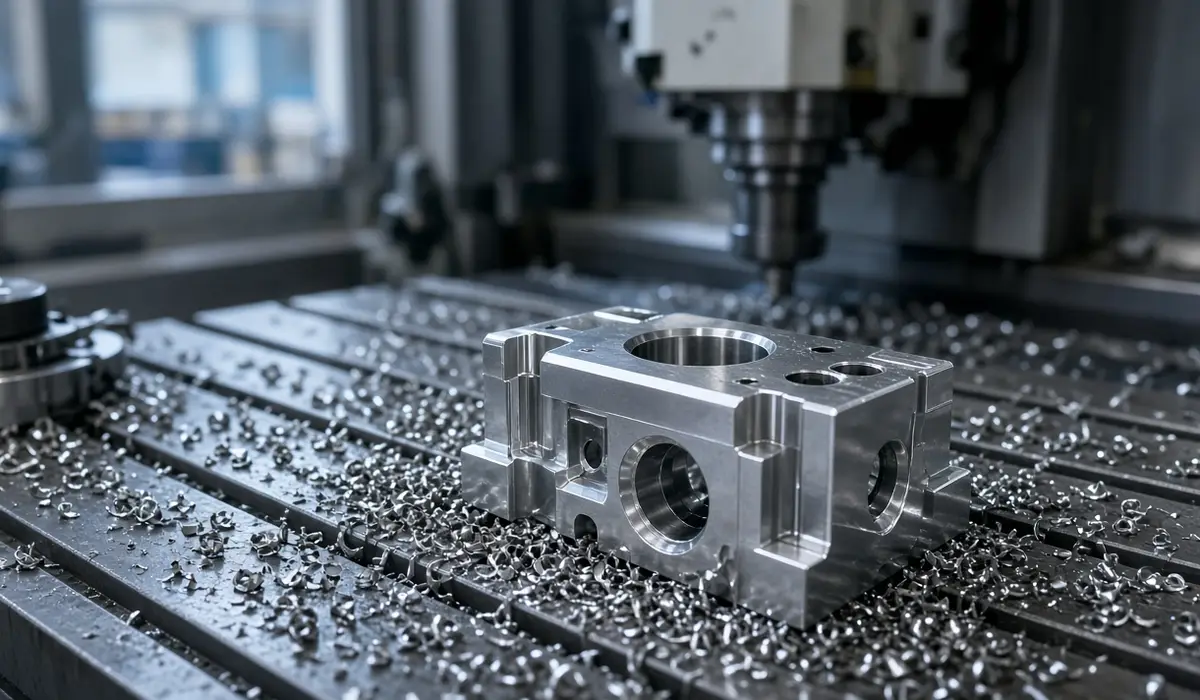
Precision machining: hours, scrap, and the job
A machine shop wins work on a cycle time. The job then uses more hours, a second operation, and scrap that is counted when the packing list is already written.

Sheet metal
Sheet metal: the nest, the remnant, and the job
Sheet metal margin disappears in the nest. The quote used a sheet count. The laser used more, and the remnant was either free for the next job or already promised.
Tool and die
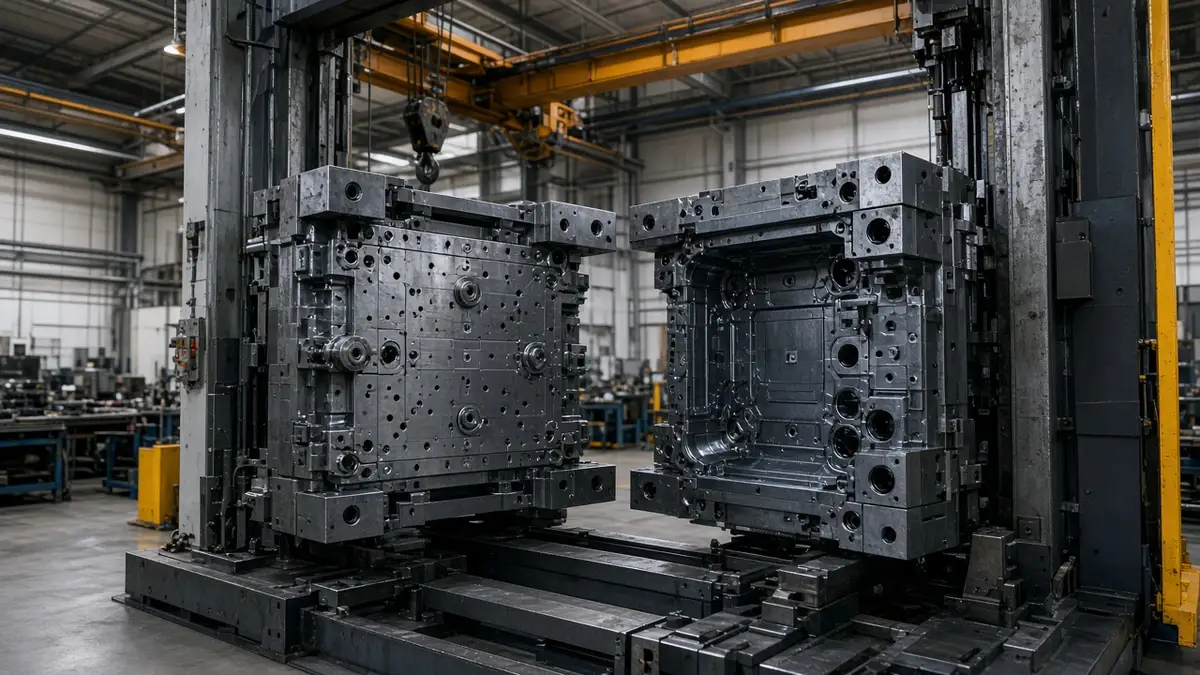
Tool and die: tryout hours and what the tool really cost
A tool is quoted as design hours plus build hours. Tryout, rework, and the inserts that were recut sit outside that quote until the tool is already late.
Foundry
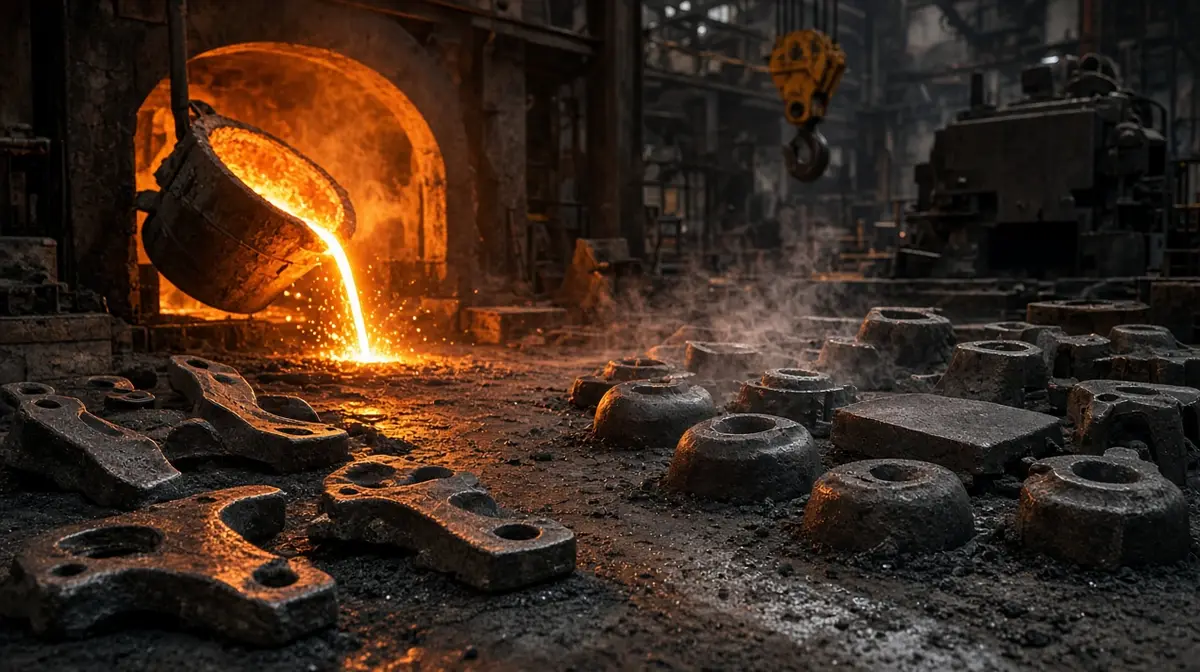
Foundry work: the heat, the casting, and the scrap
A foundry loses the story between the heat, the mold, and the castings that were scrapped after shakeout. The certificate, the pour, and the good pieces are three files.
Printing
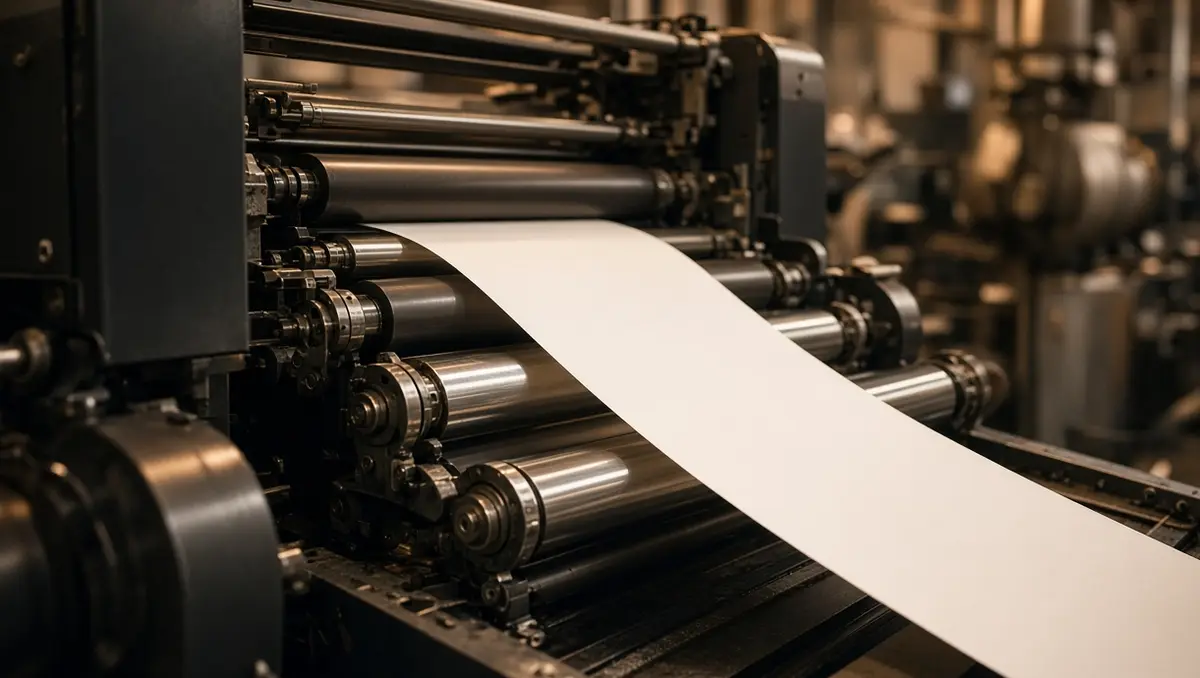
Printing: makeready, waste, and the job
A print job is priced on a run length. Makeready sheets, a color correction, and a second pass are how a job that looked full of margin finishes thin.
Labels
Label converting: the roll, the waste, and the job
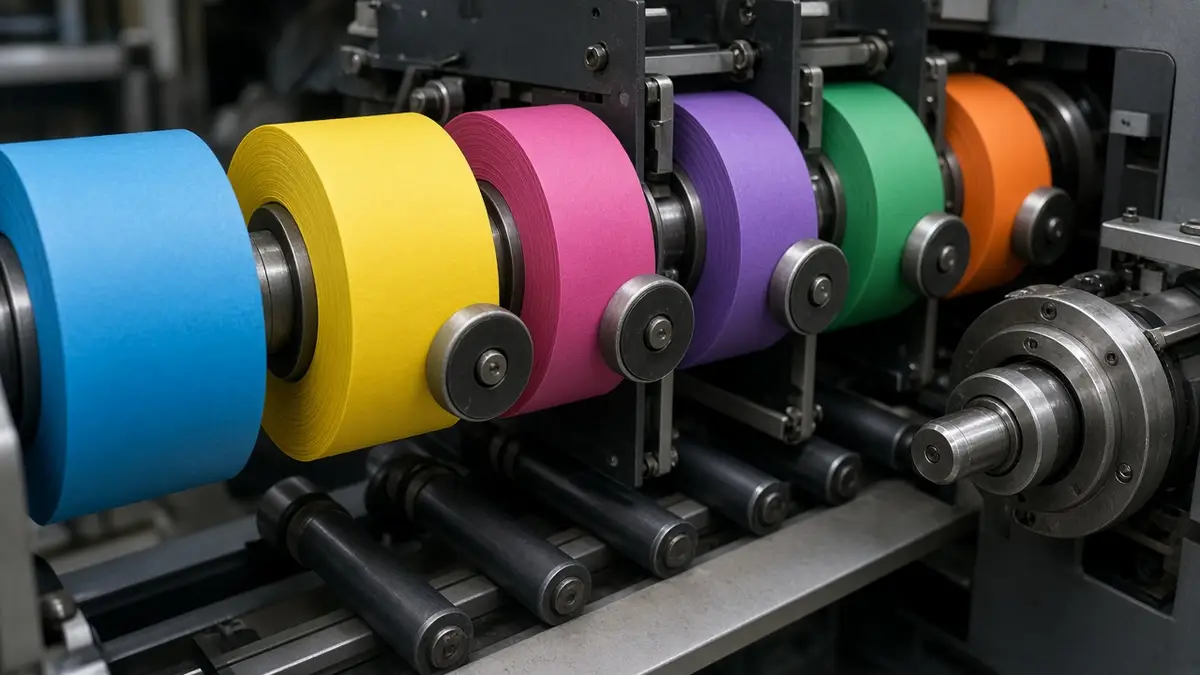
A label job consumes a roll. The quote used a theoretical yield. The slitter wasted more, and the footage left on the core was never put back on a job.

Textiles
Textile cutting: marker yield and the order
A cut order is won or lost in the marker. The quote assumed a yield. The spread used more yards, and the extra fabric is in the remnant bin with no order on it.
Electronics
Electronics assembly: the reel, the board, and the lot
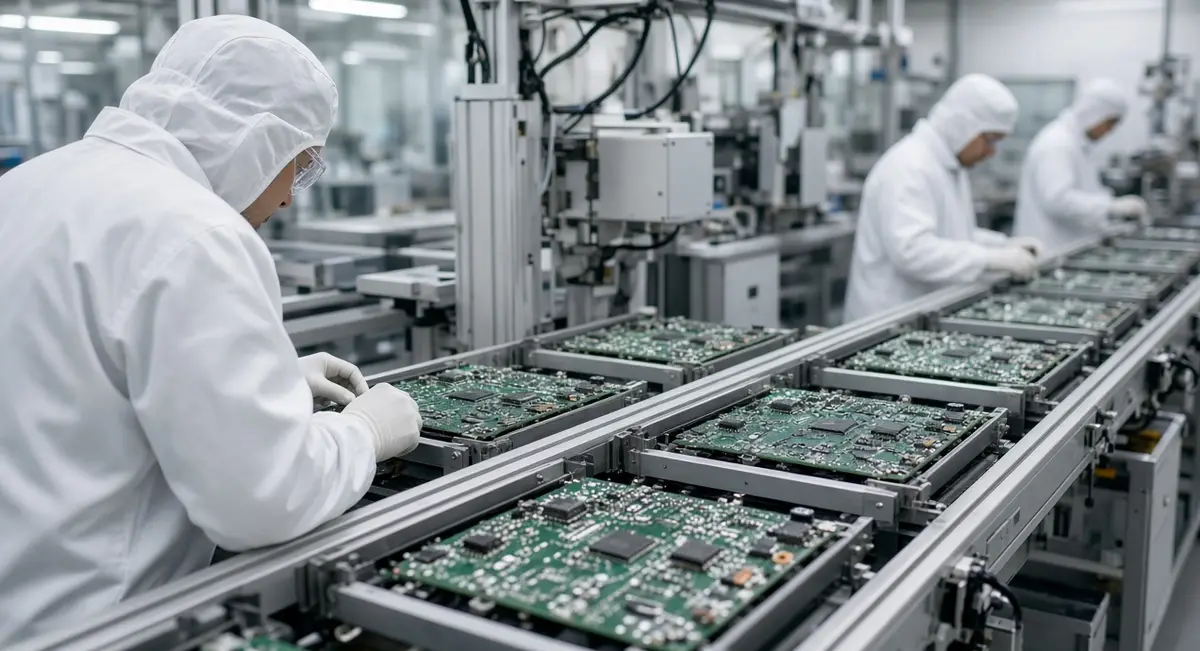
An electronics lot can ship boards whose component reels are on a feeder list that was never tied to the finished lot. A reel change in the middle of the run is invisible after the line moves on.

Bakery
Bakery batches: the formula, the yield, and the next price
A bakery quote can use last month’s flour price and a yield the mixer has not made since the formula changed. The batch that runs is a different cost.

Brewing
Brewing: tank yield, lots, and the beer that shipped
A brew is a batch with a tank, a yeast lot, hops and malt lots, and a volume that is not the volume that was packaged. Loss between tank and package is where the cost quietly moves.

Dairy
Dairy processing: the silo lot and the batch
A dairy batch can pull from a silo that several products share. If the silo lot is not on the batch, a later question about that milk has no finished lots to name.
Pet food
Pet food: the formula, the batch, and the bag that shipped
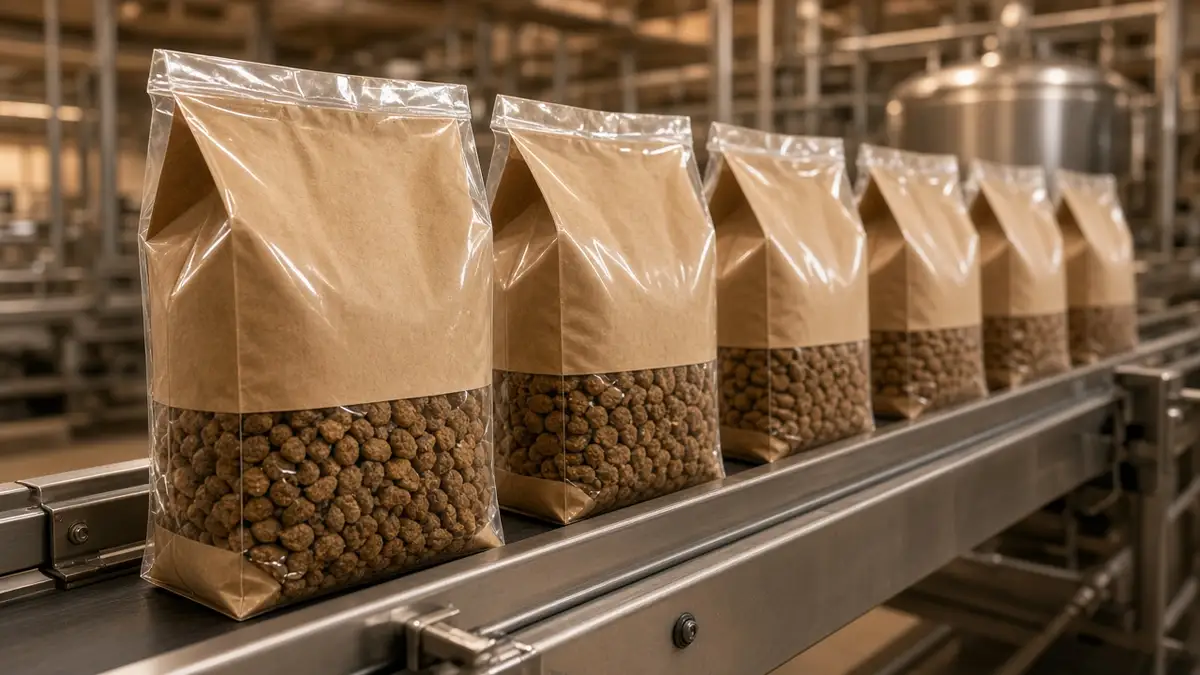
Pet food is a formula, a batch, and a bag. When those are separate, the bag that shipped is hard to connect to the ingredient lots, and the next quote still uses the theoretical yield.
Rubber
Rubber compounding: the batch, the scrap, and the next mix
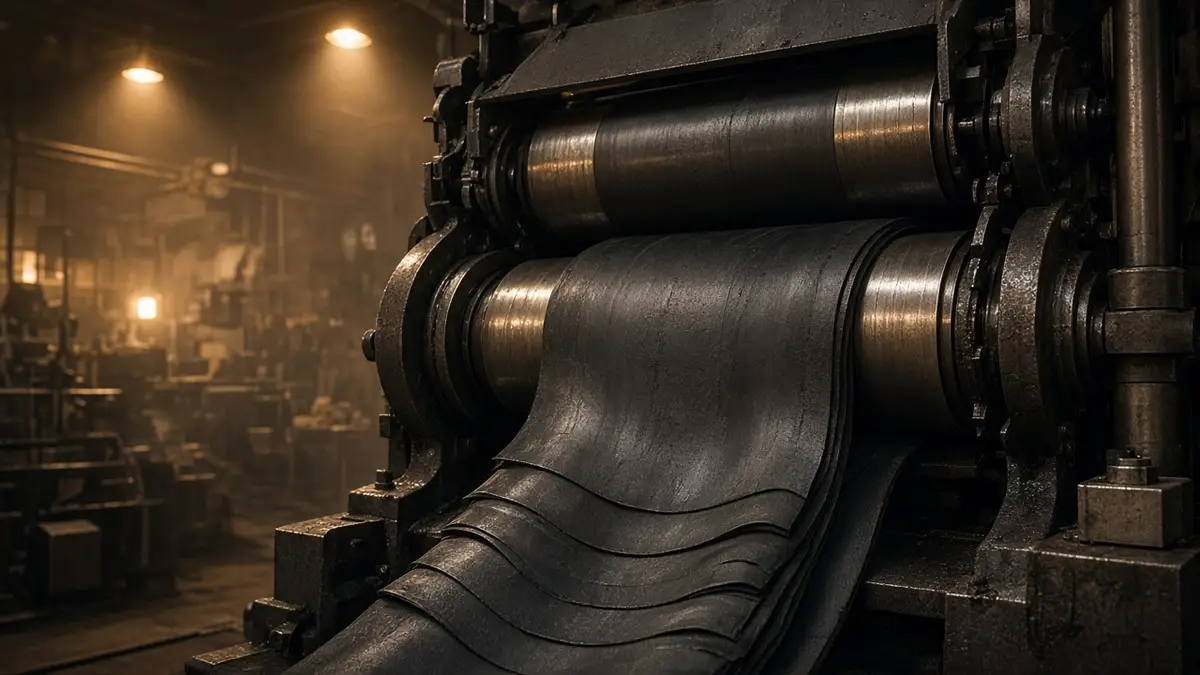
A rubber batch is a recipe and a mix that does not always match it. Scrap, a rework, and a raw lot substitution change the cost. The standard stays still.
Composites
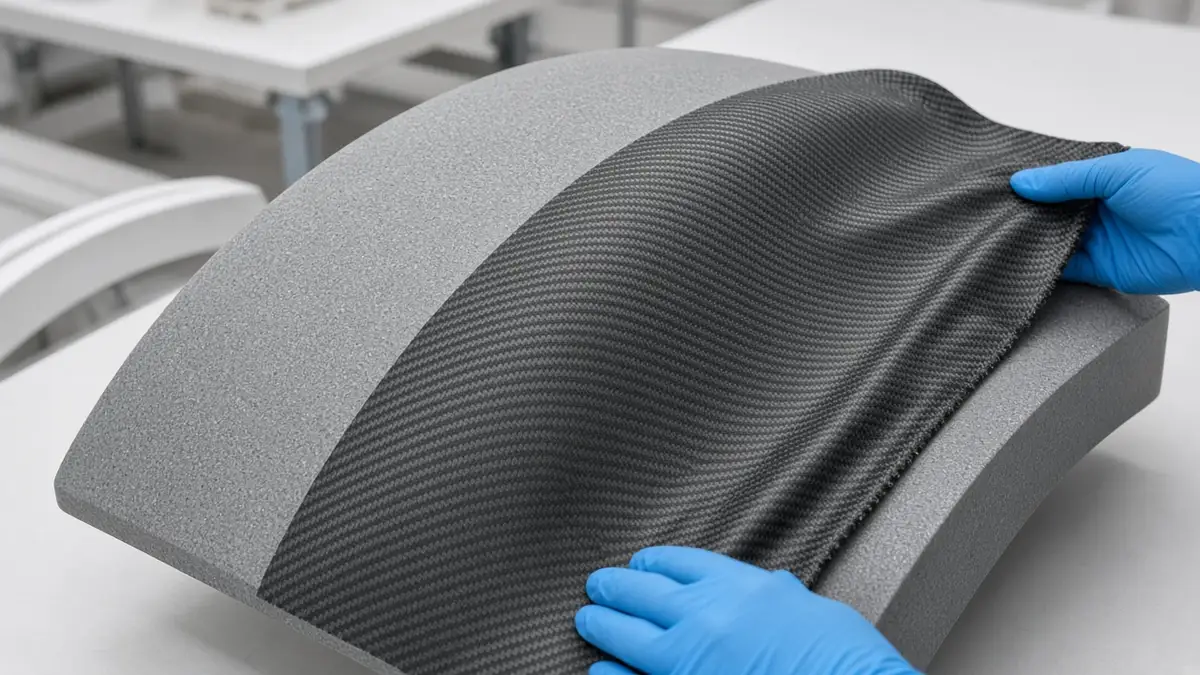
Composites: layup hours, material, and the job
A composite job is material kits plus layup and cure hours. The quote freezes both. The job then uses a second kit for a repair and hours the standard never had.
Wire and cable
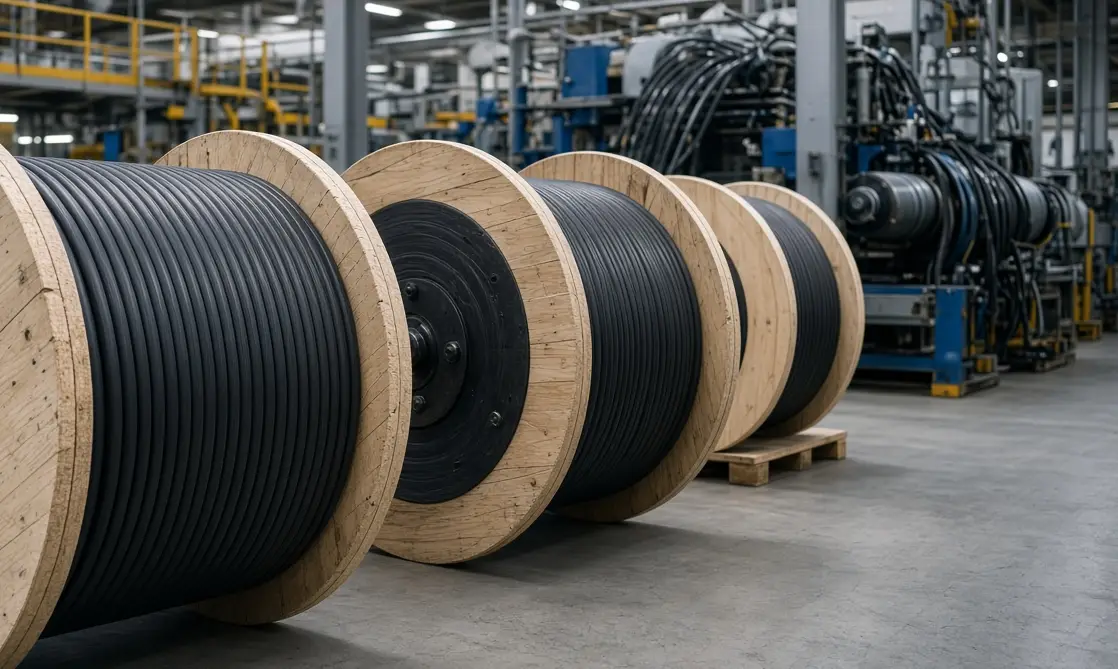
Wire and cable: the reel, the yield, and the run
A cable run is priced by the foot. Start-up scrap, a break, and the feet left on the reel decide whether the run made money. Those feet are often found when the reel is weighed later.
Fasteners
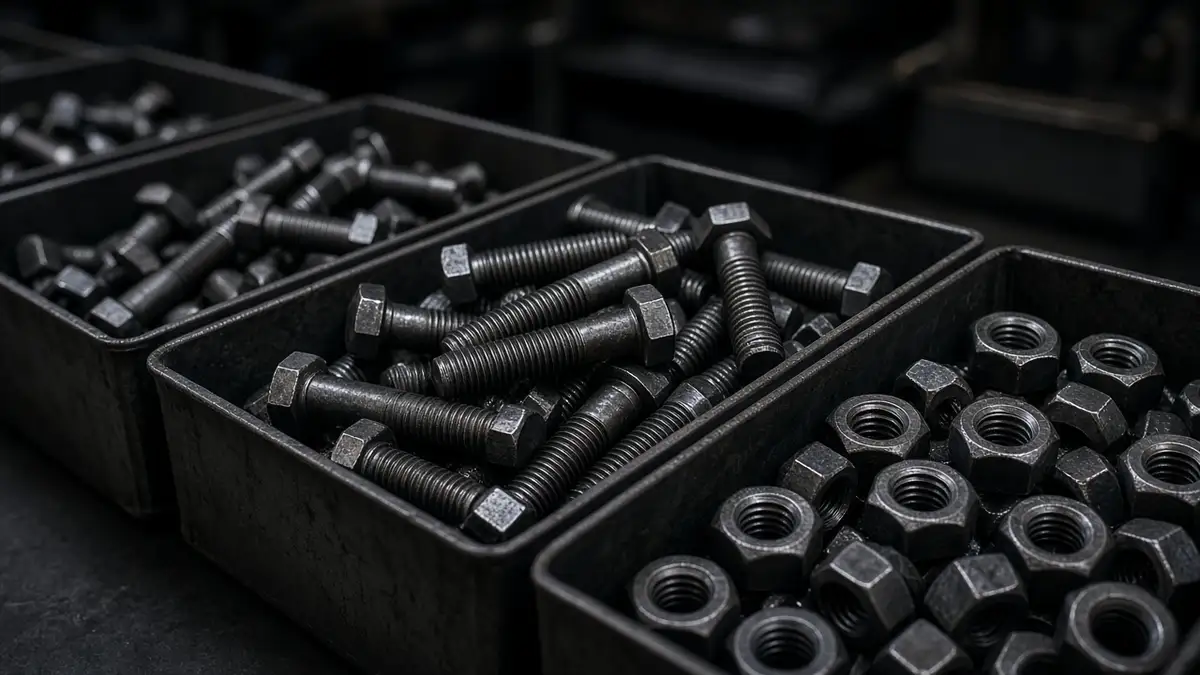
Fasteners: heat, lot, and the keg that shipped
Fastener work has to name the heat or lot in the keg. When the cert is in email and the process lots are on a traveler, the shipment goes out with a promise the file cannot keep.

Glass
Glass containers: the batch, the pack, and the loss
A glass batch is a furnace pull and a pack count that are rarely the same number. Loss, a color change, and a mold swap sit between them.

Ceramics
Ceramics: the kiln lot, the yield, and the next fire
A ceramic lot is priced from a clay body and a first-quality yield. The kiln then gives a different yield, and the seconds are sold or scrapped without ever correcting the body cost.
Paper converting
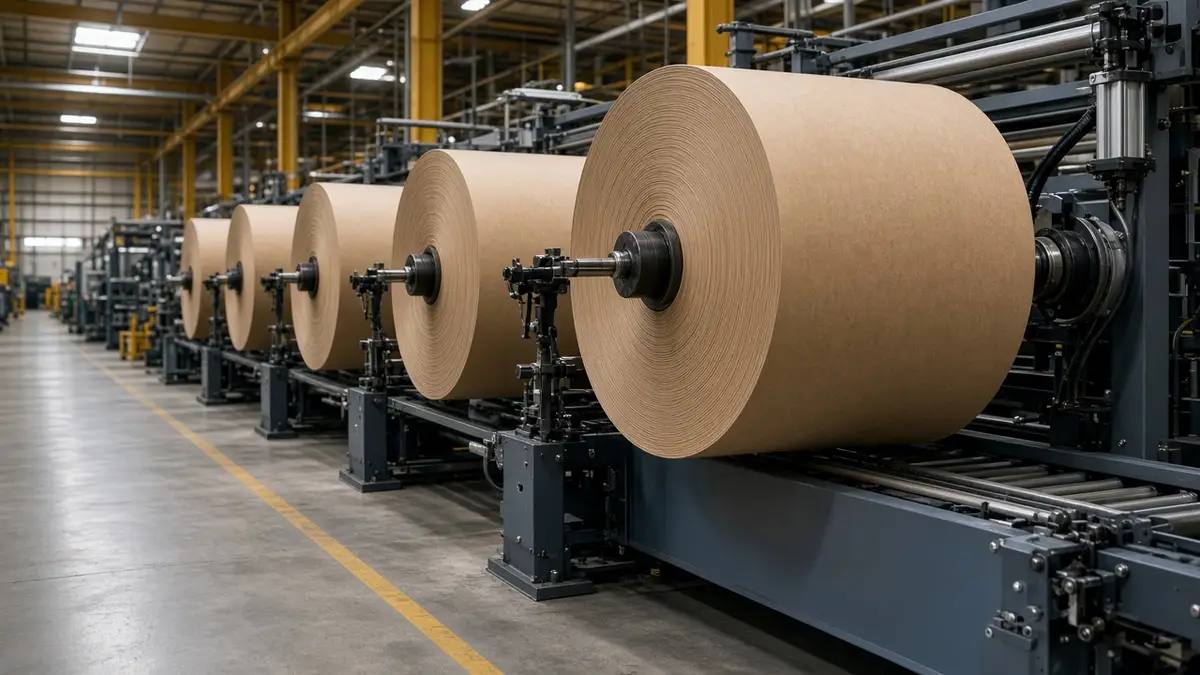
Paper converting: the roll, the waste, and the job
Converting prices a job from a parent roll and a theoretical waste. The line then wastes more at setup, and the butt roll is left in the aisle without a job or a stock location.
Foam
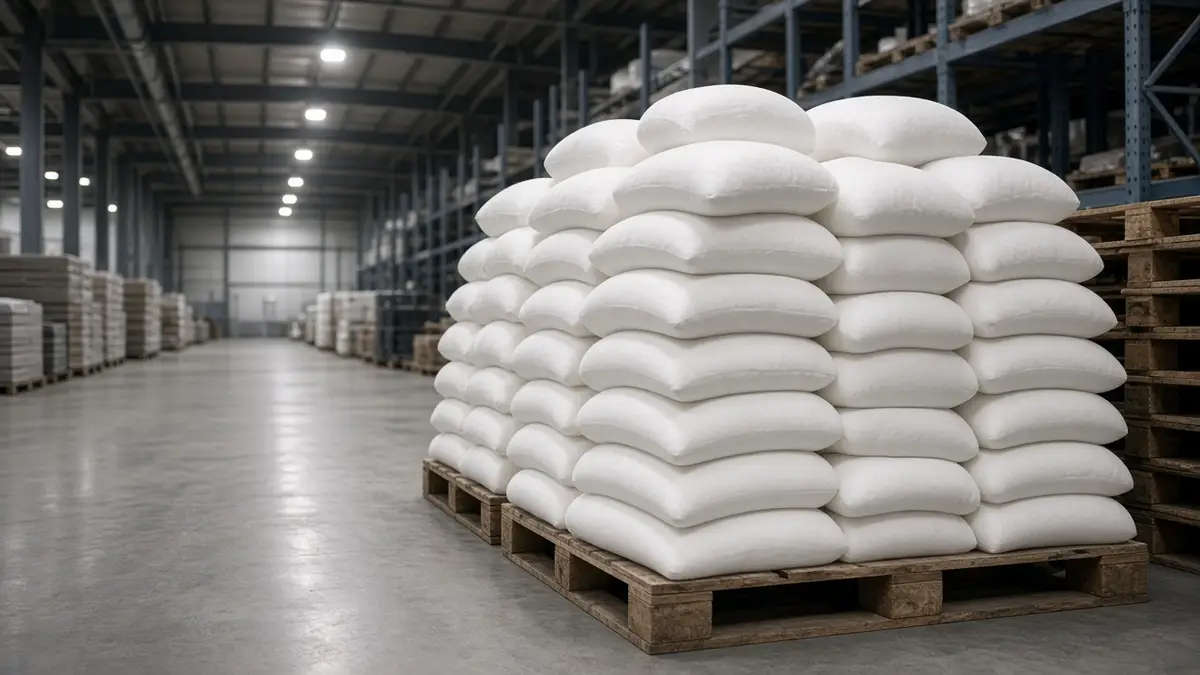
Foam: bun yield, fabrication, and the order
Foam margin is in the bun yield and the fabrication scrap. The quote used a yield from a square block. The order needed contours, and the offcuts did not become the next order’s material just because they were saved.
HVAC
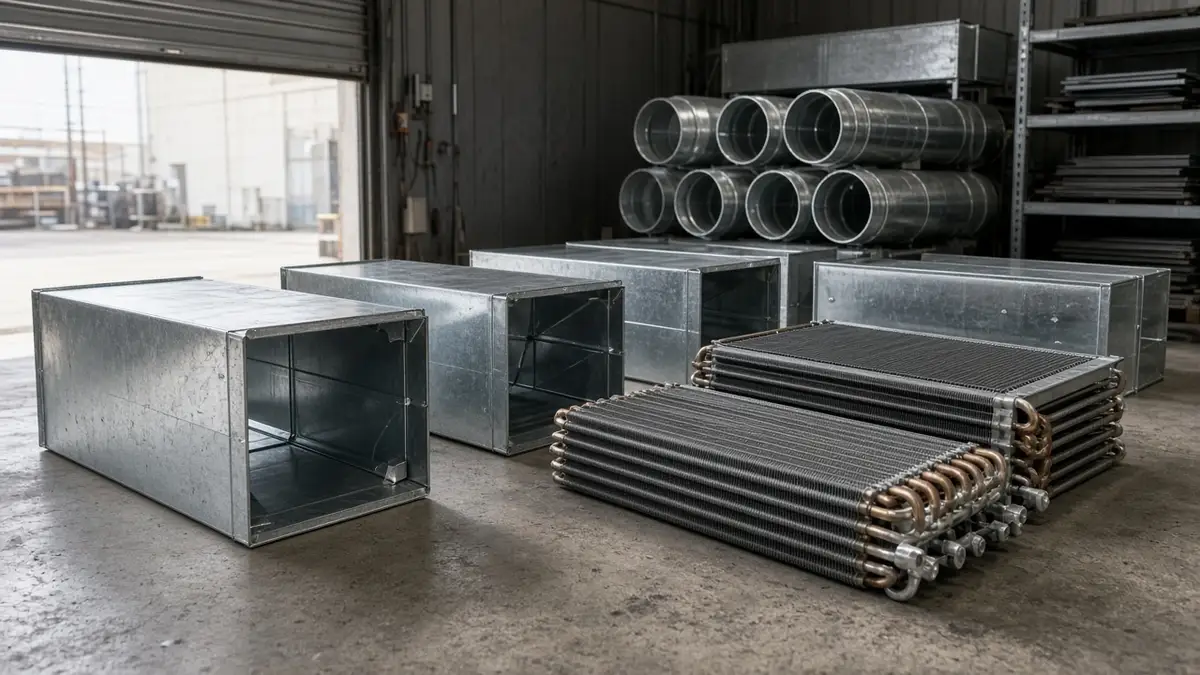
HVAC sheet metal: the coil, the fittings, and the job
An HVAC job is coil, fittings, and hours. The estimate freezes them. The field then adds fittings, and the coil used in the shop is a different weight than the takeoff.
Automotive components
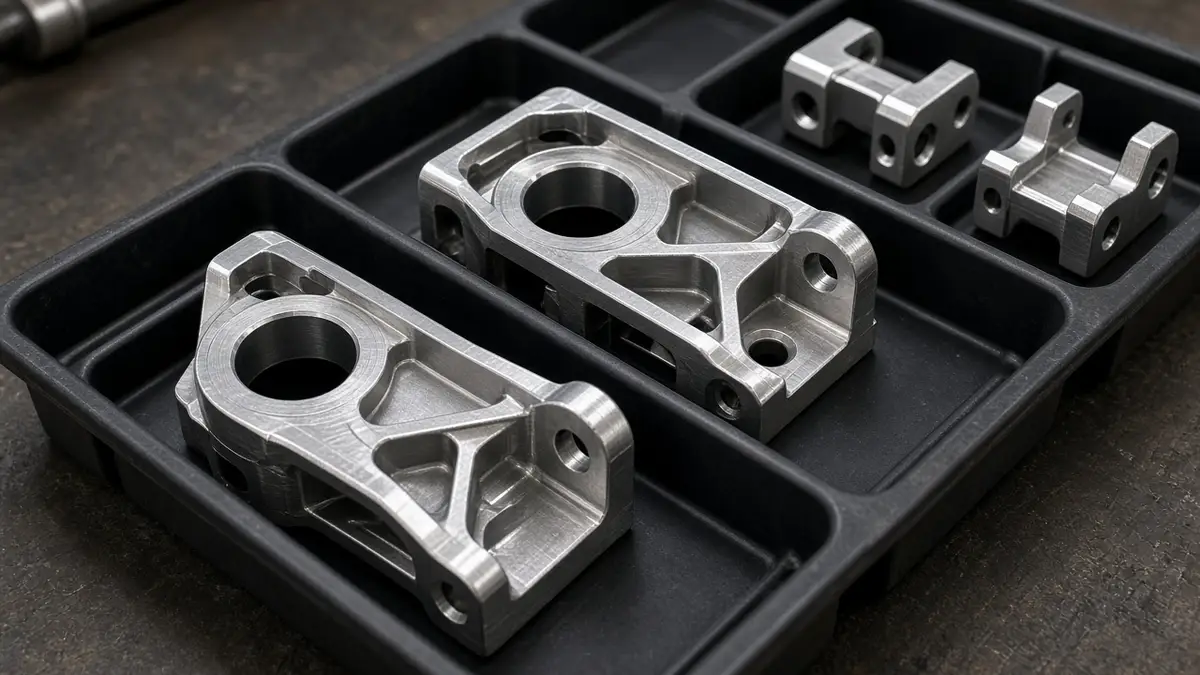
Automotive components: the lot, the scrap, and the job
A component job has a lot, a scrap rate, and hours. The price was accepted on a PPM and a cycle time. The job ran a different scrap rate, and the cert packet is built after the truck is scheduled.
Aerospace parts
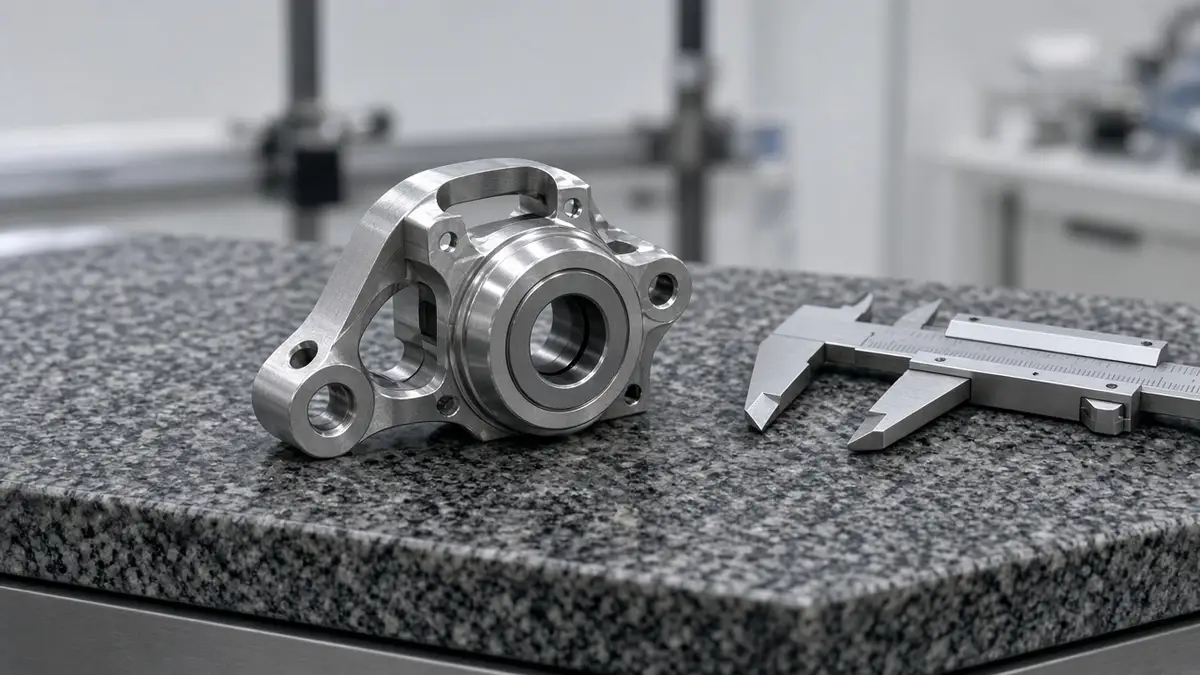
Aerospace parts: the lot, the operation, and the job cost
An aerospace part job fails when the lot, the operations, and the actual hours are reconstructed for a packet. The packet is due when the part is already late.
Powder coating
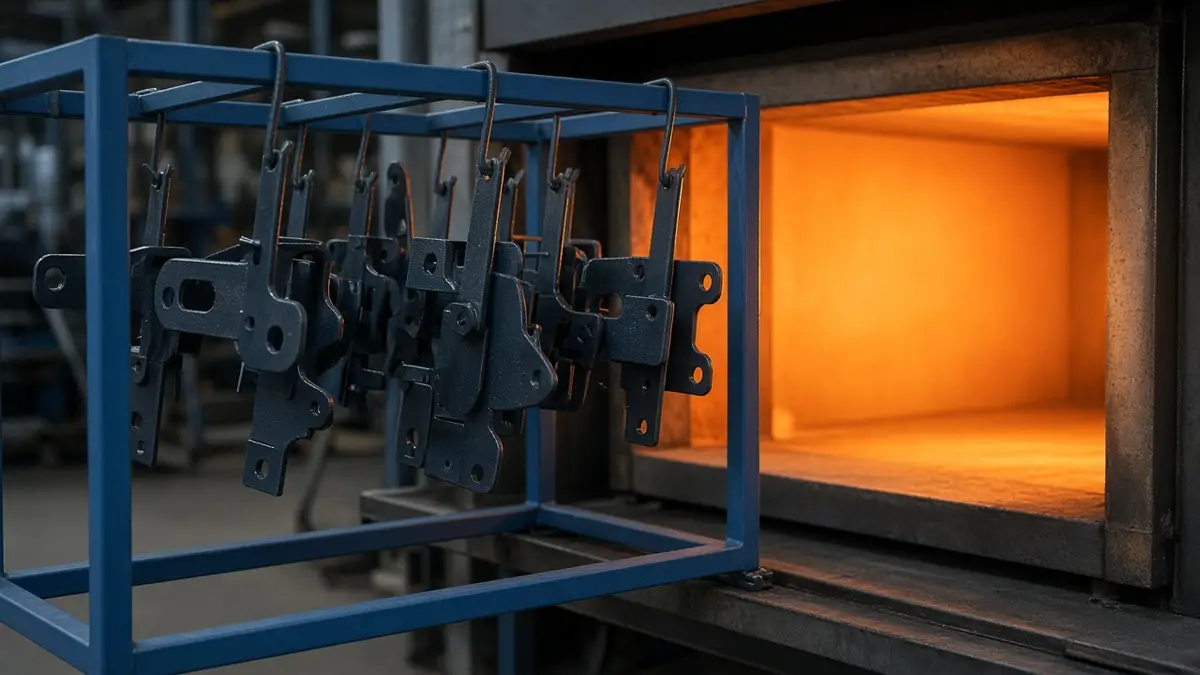
Powder coating: the rack, the rework, and the job
A powder-coat job is priced by the part. Rework, a second coat, and the hooks that went around again are rarely on that price. They show up as a busy booth.

Windows and doors
Windows and doors: the unit, the glass, and the job
A window job is frames, glass, hardware, and labor. The quote itemizes them. The shop then breaks a lite, substitutes hardware, and the replacement never meets the estimate.
Precast
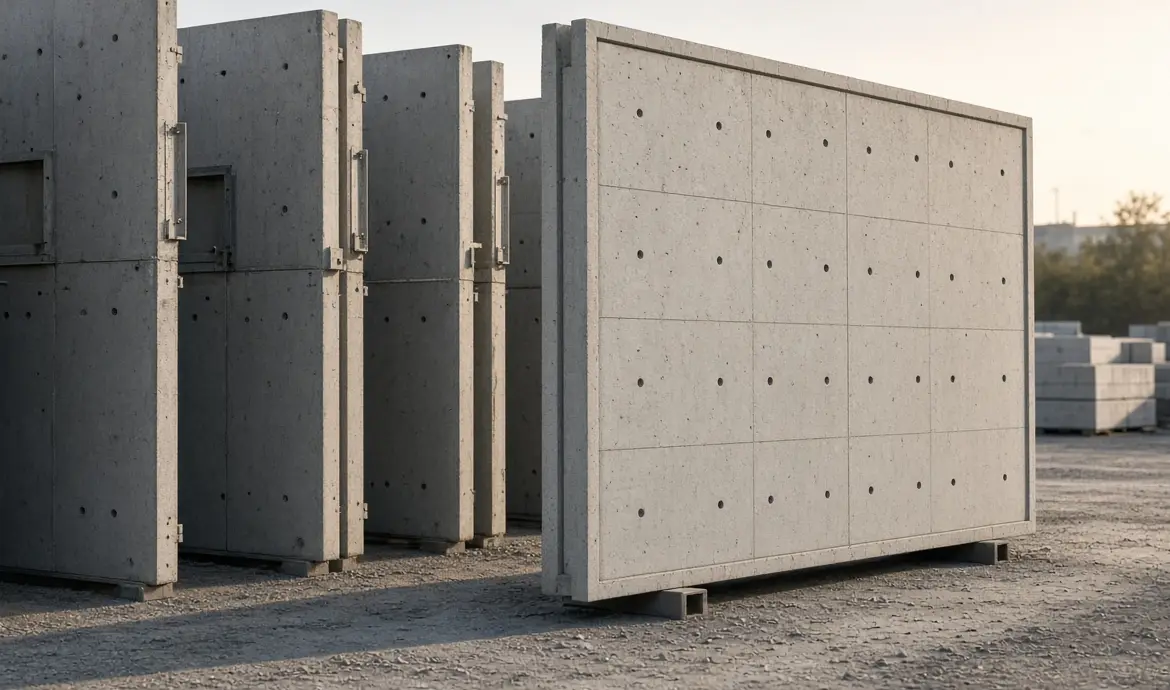
Precast: the pour, the steel, and the job
A precast job is a pour, the steel in it, the crew, and the pieces that were rejected. The bid froze a yardage and a crew. The pour used a different yardage, and the reject is still in the form.
Contract manufacturing
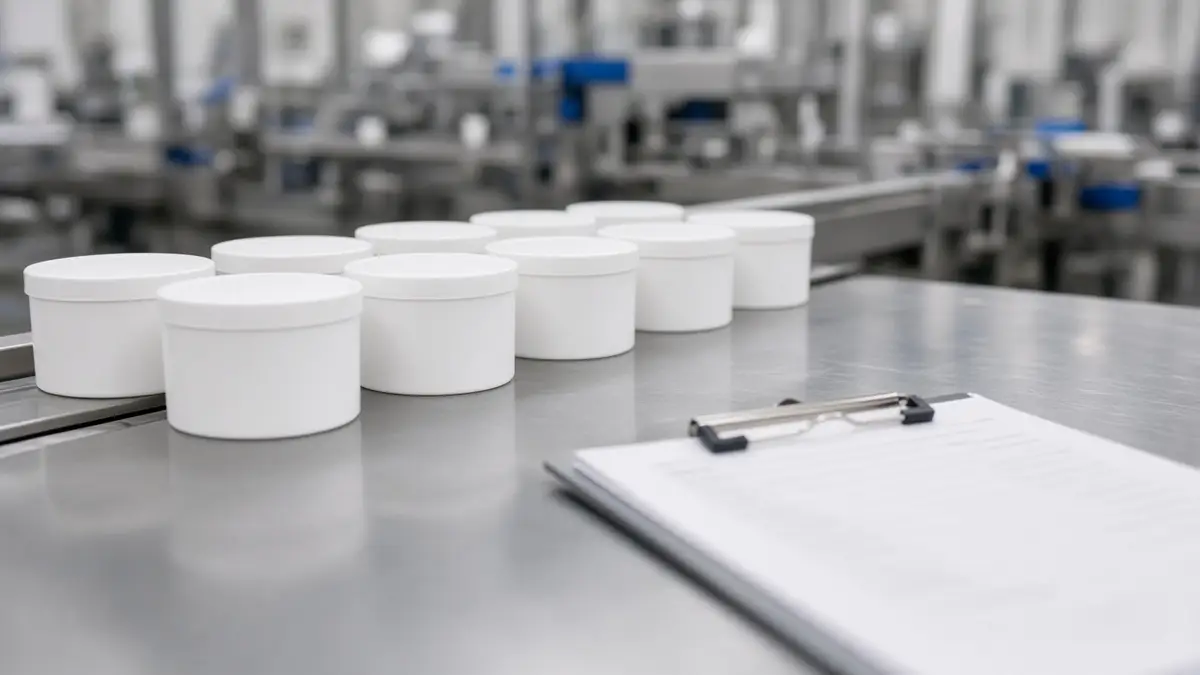
Contract manufacturing: the customer formula and the batch
A contract manufacturer owes the customer the formula that ran, the lots, and the yield. If that record is rebuilt after shipment, the customer is waiting on a reconstruction.
Battery assembly
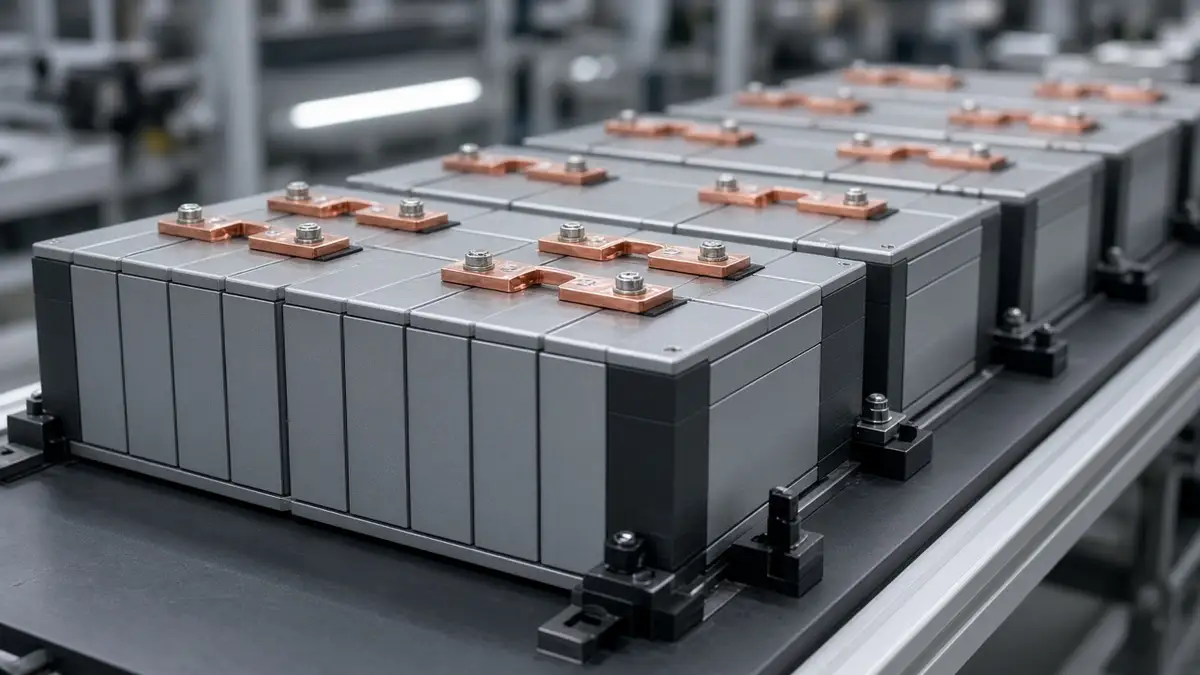
Battery assembly: the cell lot and the pack
A pack is a set of cell lots, a process, and a result. When the cell lot is on a pick list and the pack serial is on another screen, a lot question becomes a project.
Solar modules
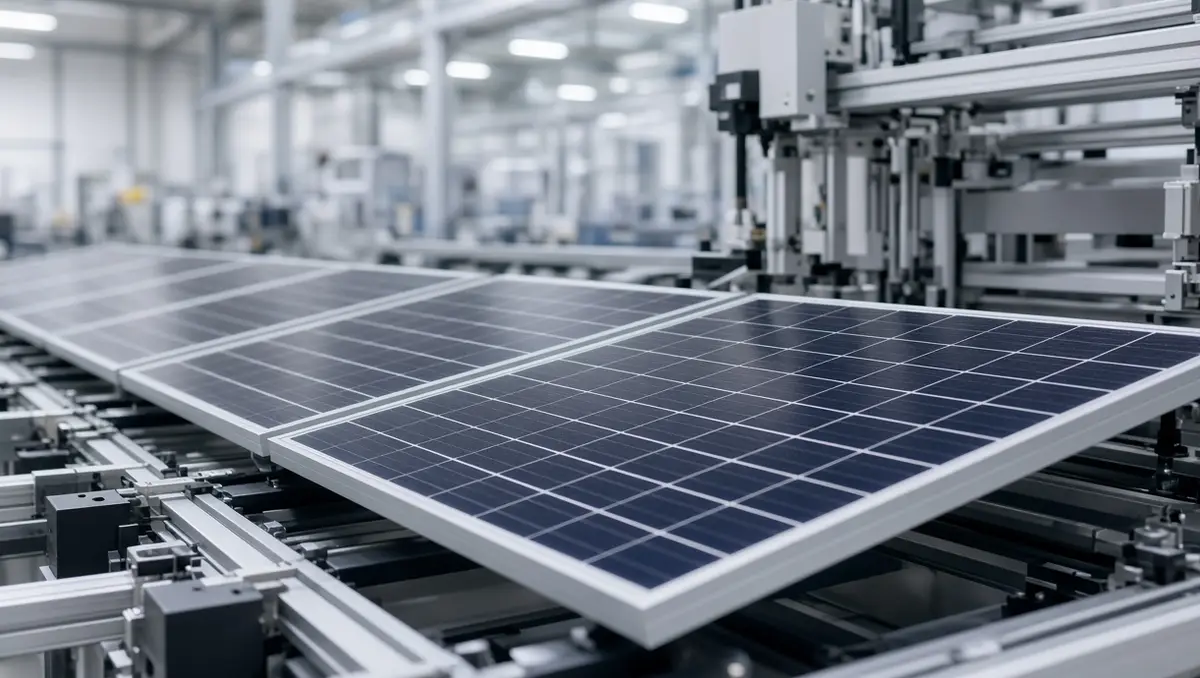
Solar modules: the lot, the line, and the module that shipped
A module lot combines cells, glass, and a line result. Yield loss and a rework are often a shift note. The lot that shipped should already say which material lots and which modules.

Footwear
Footwear: cut yield, labor, and the pair
A footwear order is won in the cut and lost in the lasting room. The quote used a yield and a pair hour. The hide yielded less, and the hours landed after the pairs were packed.
Nutraceutical
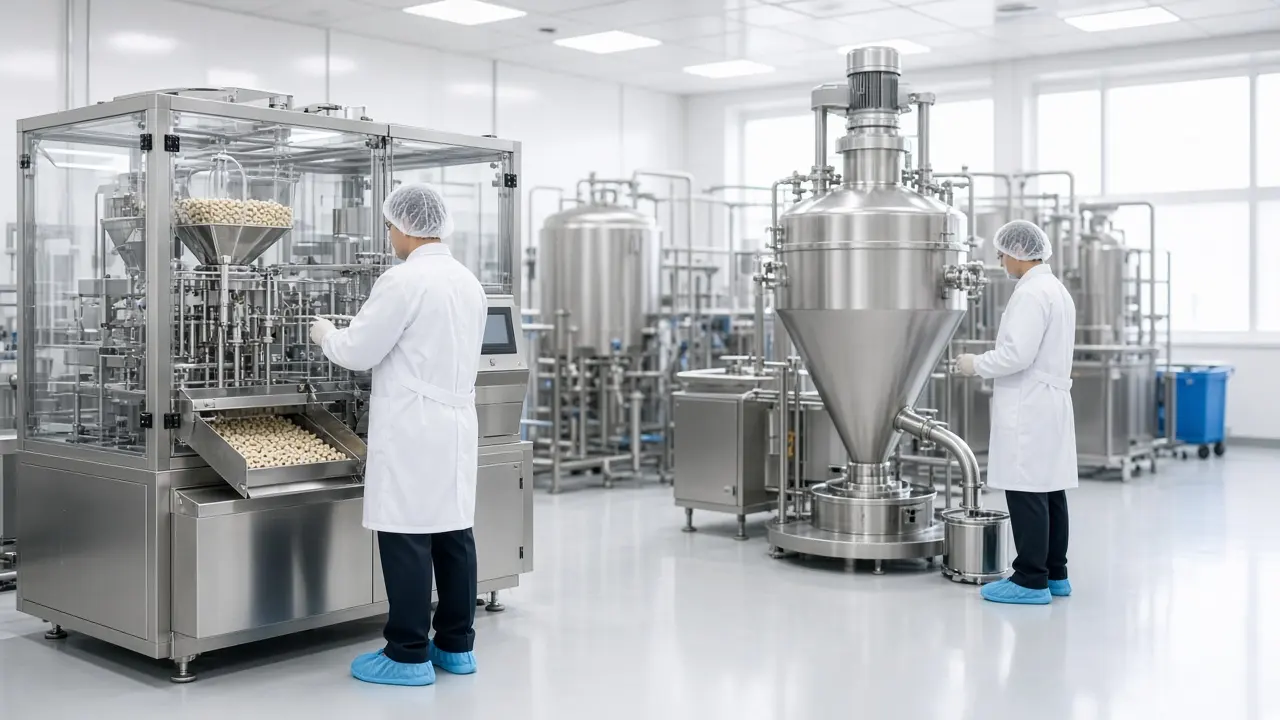
What a nutraceutical batch should show before it ships
The formula, the lots, the checks, and the cost belong on the batch while it is still open. A record assembled after the truck leaves is a reconstruction.
Pharmaceutical
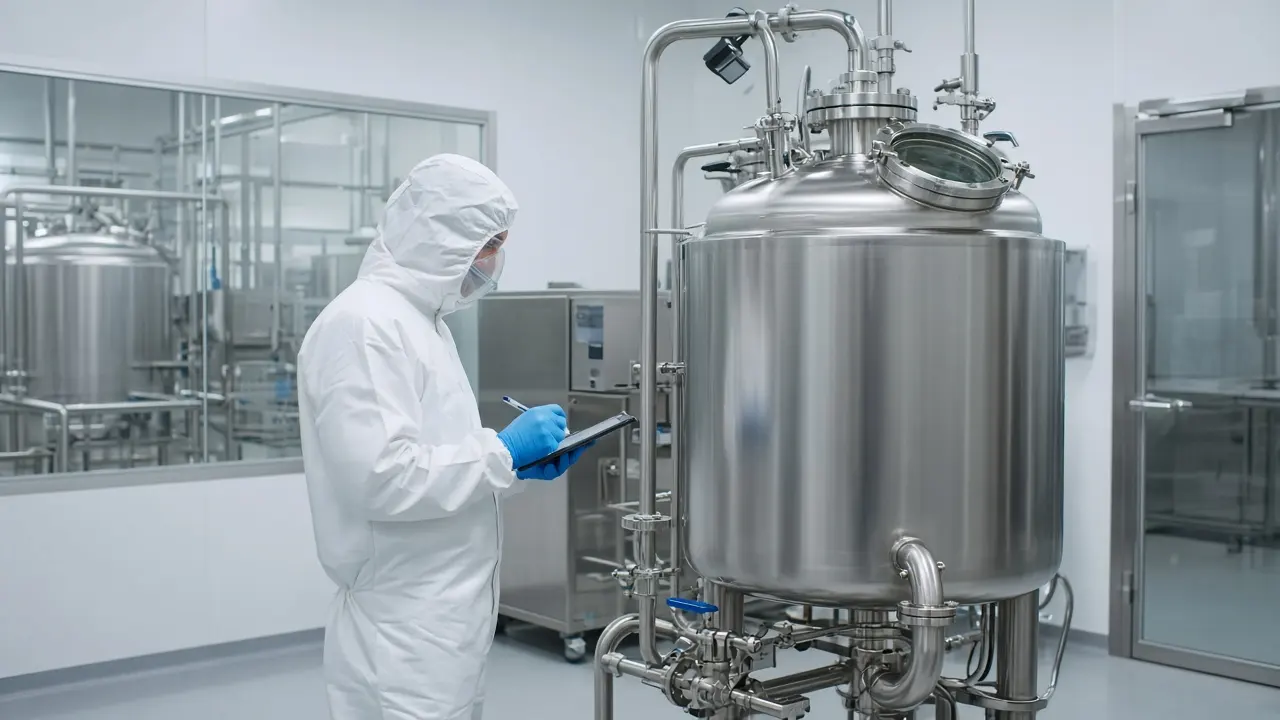
Why the pharmaceutical batch record has to be written during the run
Materials, in-process checks, lot genealogy, and batch cost are useful while the batch is open. A record written after closeout explains a discrepancy the plant can no longer hold.

Food and beverage
Food and beverage: the lot, the schedule, and the batch cost
A quote, a short-dated lot, and the yield the line actually got are one decision. They should be on the same batch before the shipment leaves.

Batch and process
Five decisions every batch and process manufacturer makes every day
Win the order, plan the batch, run it, ship it, and learn from it. The decisions are old. The gap is how current the information is when you make them.
Cosmetics
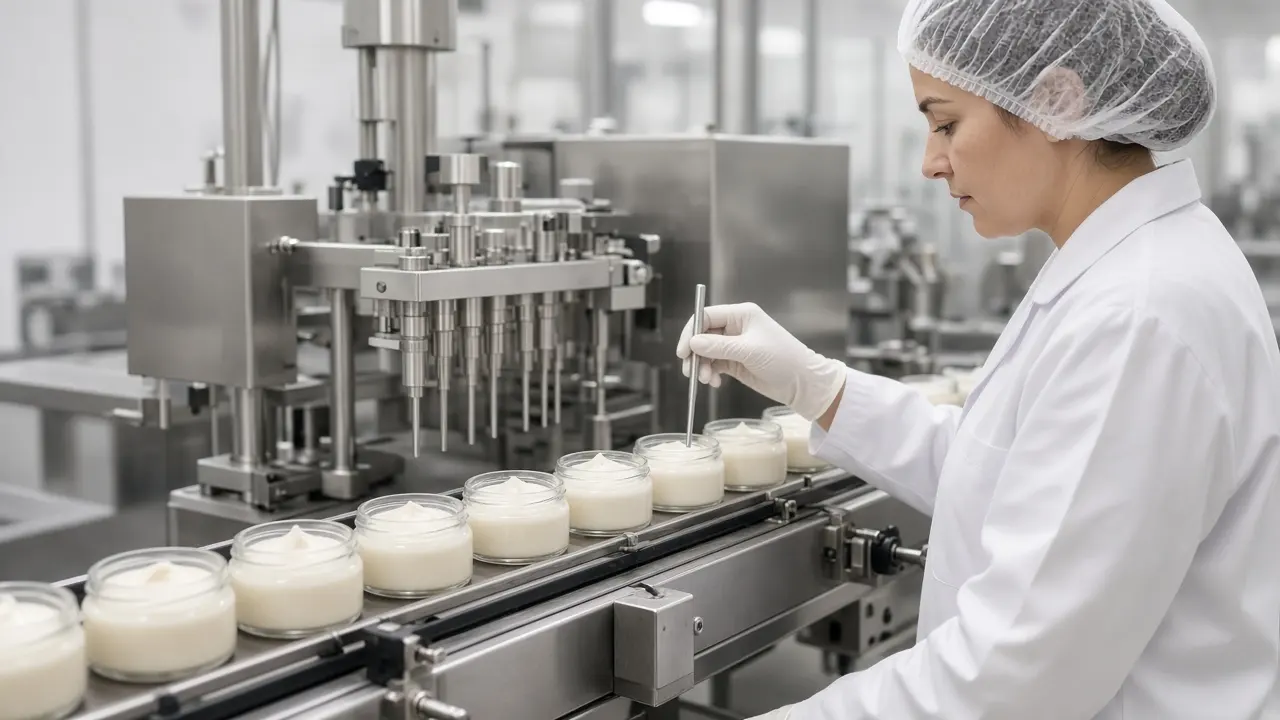
Cosmetics manufacturing: the formula, the fill, and the batch cost
A cosmetics batch is the bulk, the component, the fill yield, and the finished lot. Costing only the formula leaves the jars, the overfill, and the label off the quote.
Costing
Why current formula costing matters when you quote an order
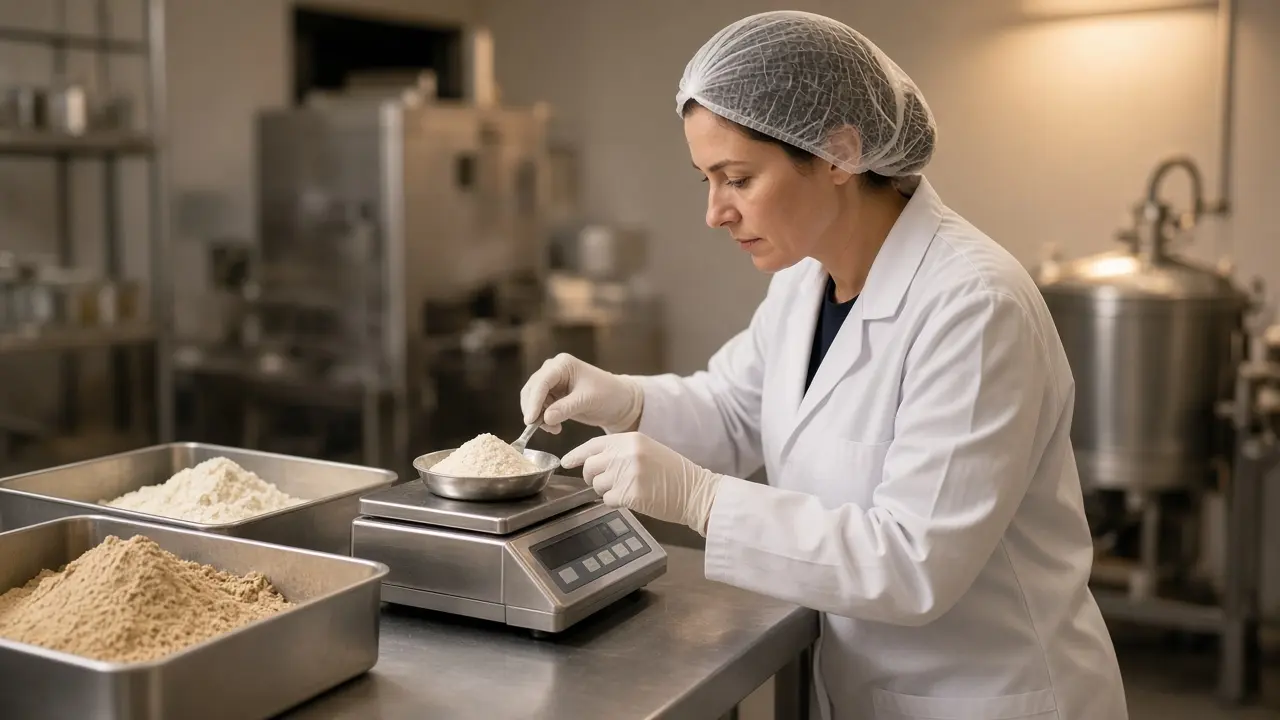
A quote priced on last quarter’s ingredient costs can look profitable until the shipment invoice shows what the batch actually consumed.
Heavy metals
Metal fabrication: heat, scrap, and the job cost
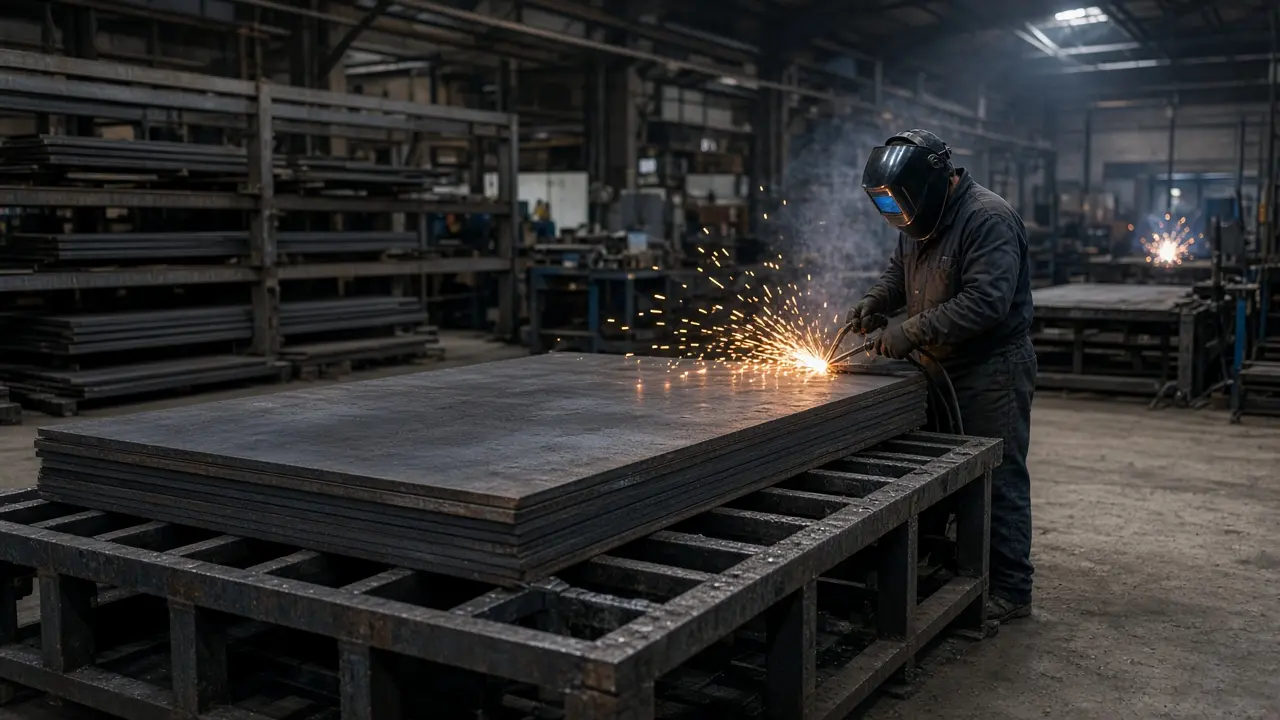
Margin in a fab shop sits in the heat, the remnant, and the scrap counted after the invoice. The certificate and the work order belong on the same job.
Planning
Why lot expiration dates belong in the production schedule
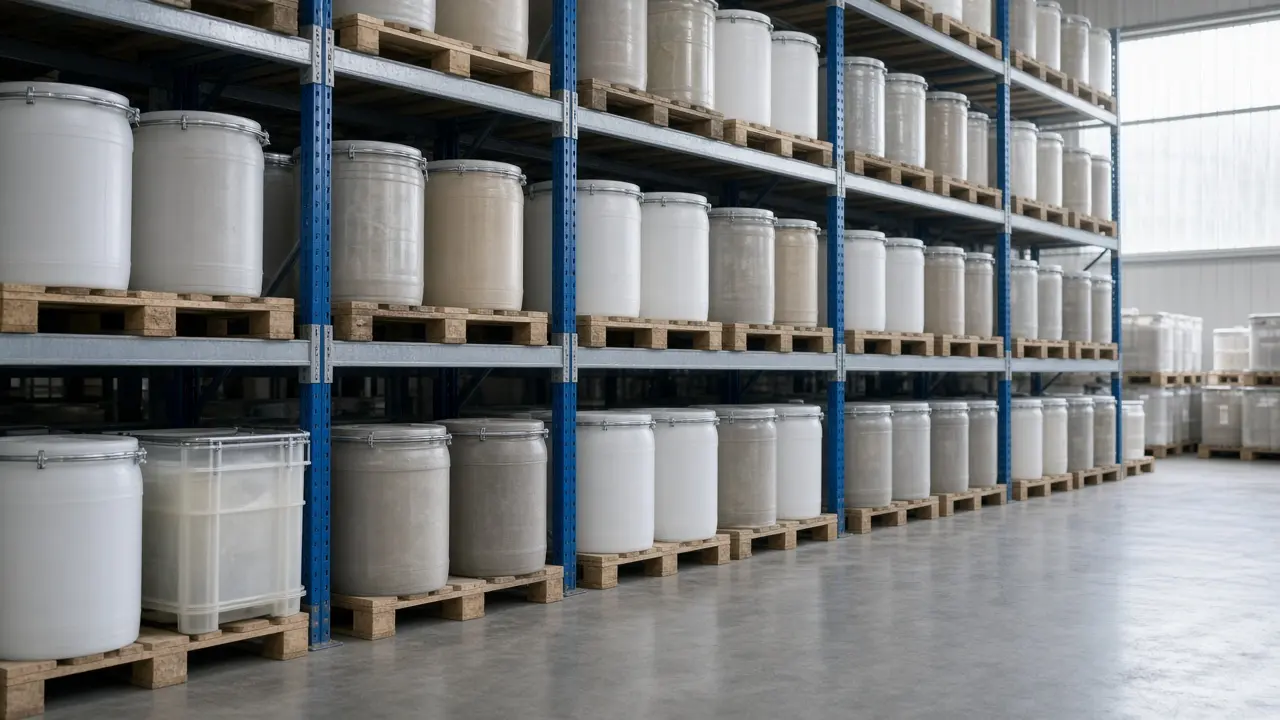
A raw-material lot can be available this morning and unusable on the day the line is finally free. Planning has to see that before the schedule is published.
Aviation
What a Part 145 work order should show while the repair is open
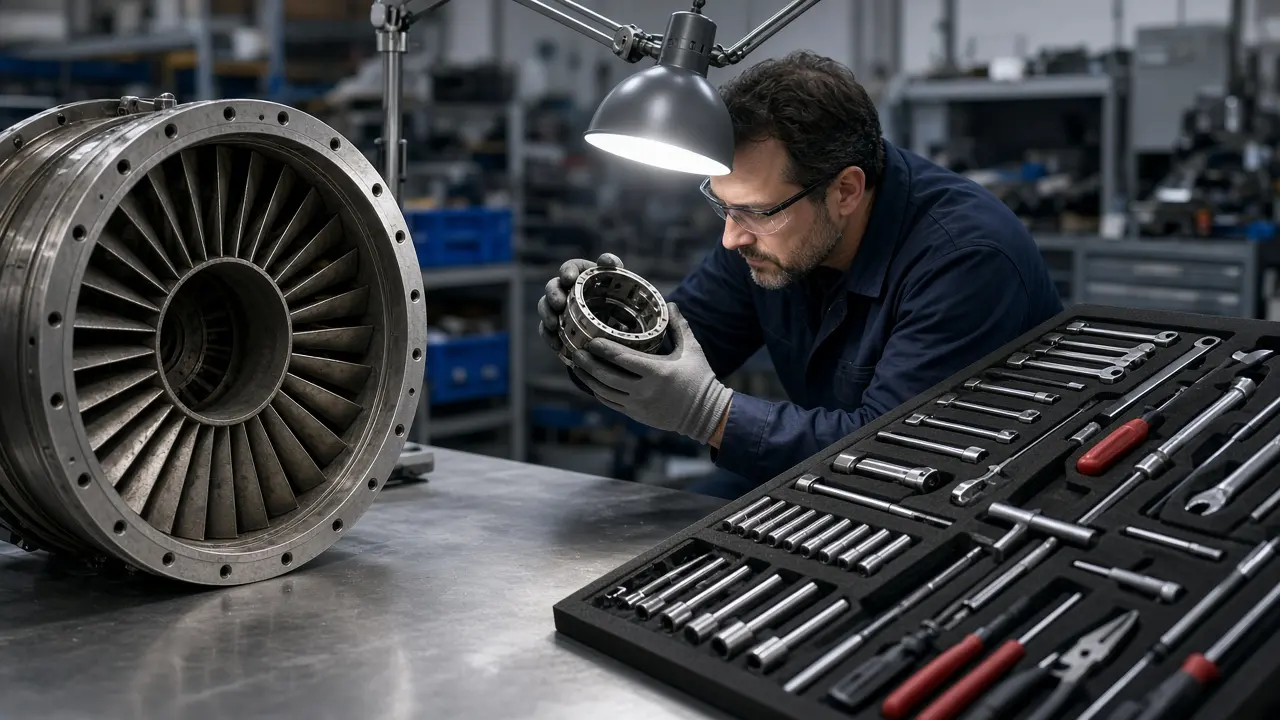
Parts trace, technician hours, inspection, and return to service belong on the work order before the unit is called ready.
Production
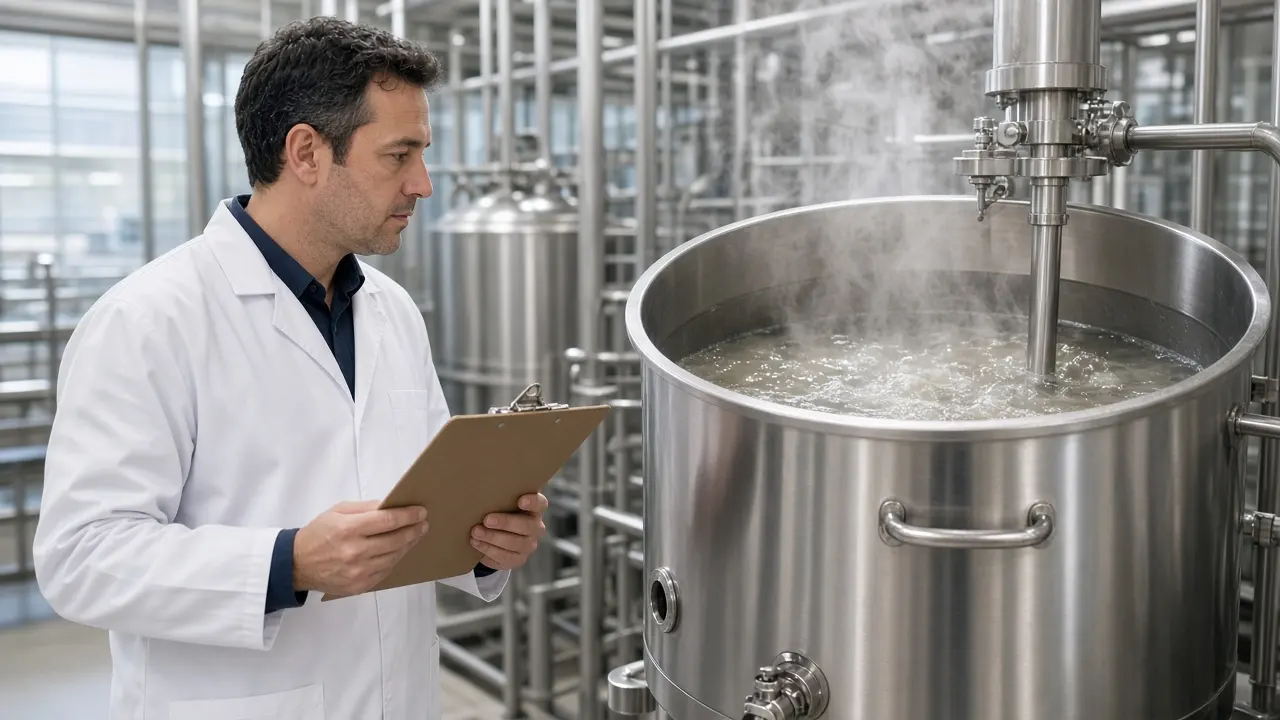
What in-process visibility means while a batch is still running
Yield and quality that show up only after the batch record closes are a history lesson. The useful view is the one you still have time to act on.

Construction
Construction job cost: the bid, the change, and the open job
Builders lose the job between the original bid, the change that was built and never priced, and the purchases that never landed on the job.
Yield
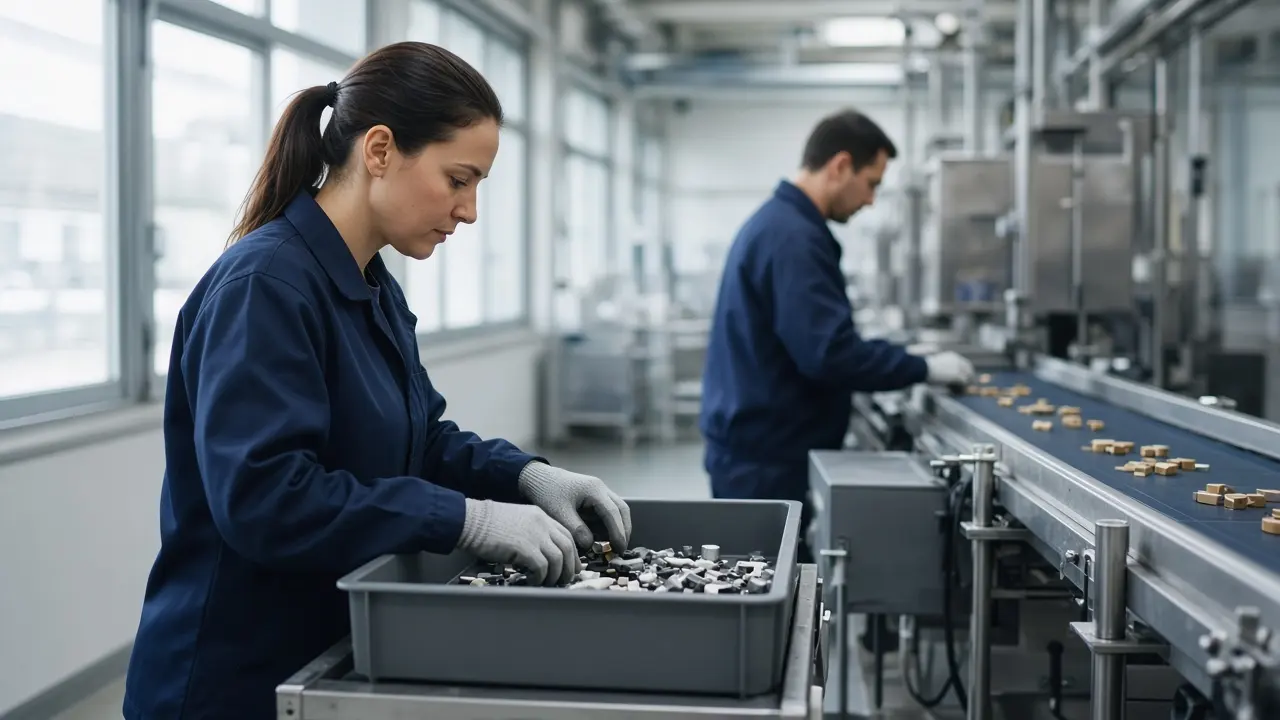
How manufacturers reduce yield loss and rework
Scrap and rework shrink when the reason shows up during the run. A closed batch record can explain the loss. It cannot give the material back.
Traceability
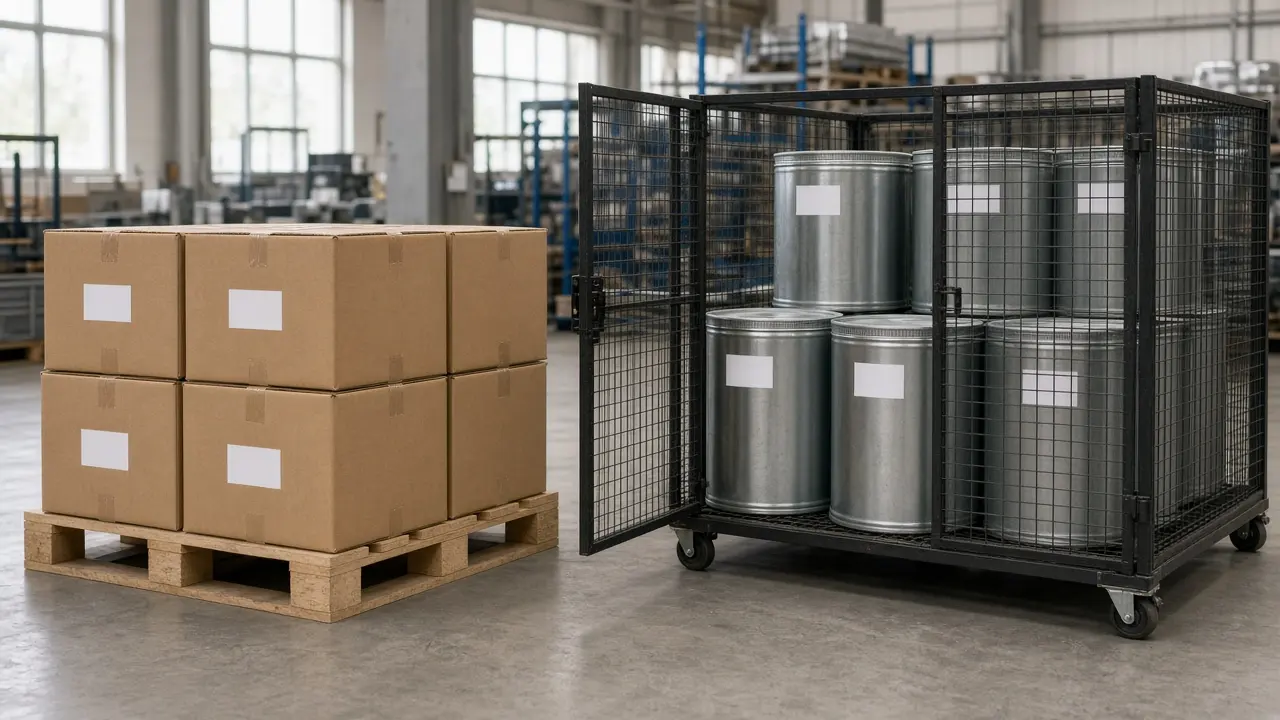
Why lot genealogy matters for recalls and audits
When someone asks which raw lots landed in which finished goods, the answer is either a few minutes in the system or days of binders and shipping paperwork.
Furniture and millwork
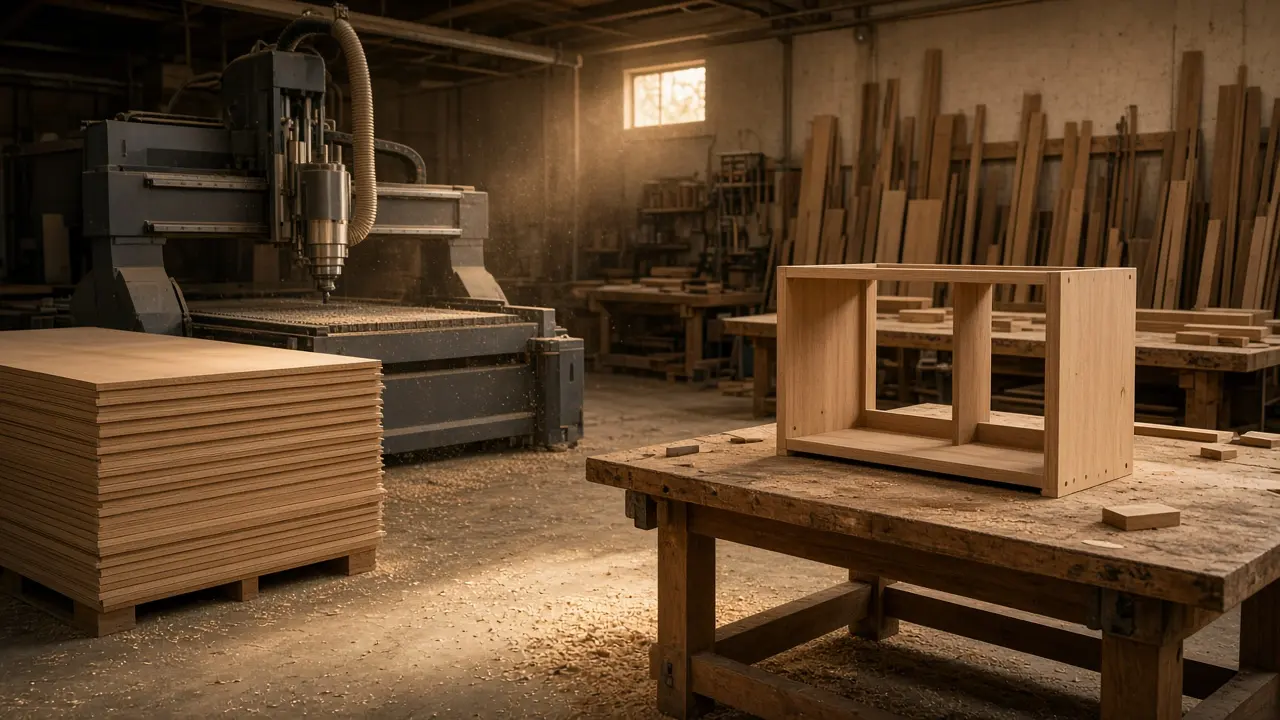
Job costing for furniture, cabinetry, and millwork shops
Custom work is won or lost in the estimate: materials, sheet yield, labor hours, and what the job actually earned after installation.
Distribution
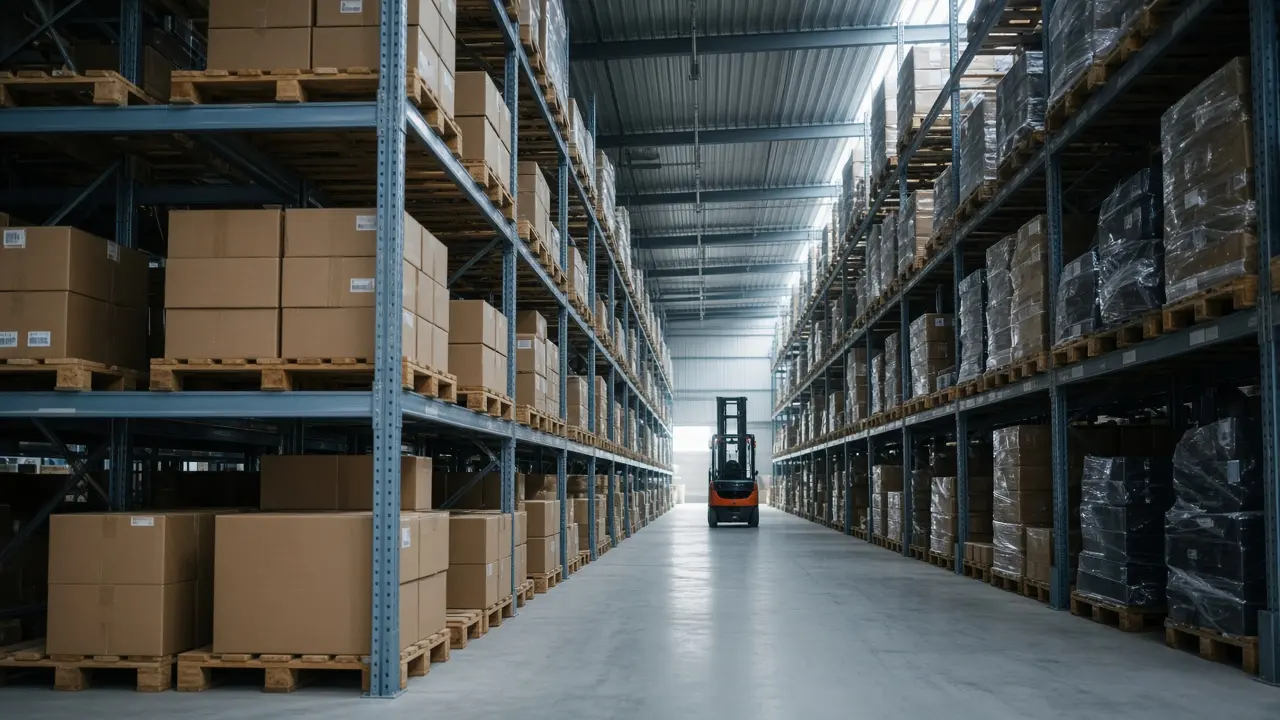
How distributors see the cash sitting in inventory
Stock that looks available can still be the wrong lot, in the wrong warehouse, or past the point where a customer will take it.