Home / Blog / Chemical blending
Chemical blending
Chemical blending: the tank, the lot, and the batch cost
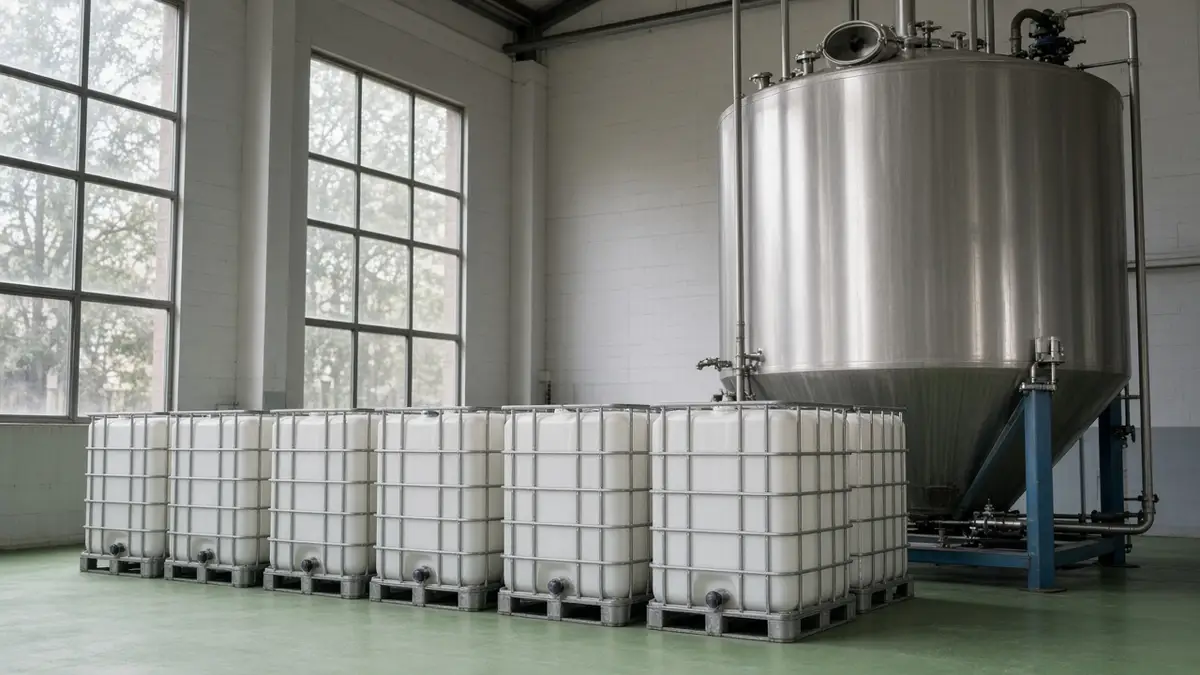
A blend can leave the tank on specification and still be costed from an old raw-material price and a yield the plant has not hit.
The lot in the tote should name the lots that were pumped.
What the open batch has to show
- Lots charged to the tank, including a substitution.
- Yield out of the tank before the batch is closed.
- Actual raw-material cost on that batch for the next quote.
That is the same kind of gap as seeing the work while it is still open and quoting from a current cost.
The week the record is late
Purchasing has been paying more for a solvent for three weeks. The quote still uses the old price. The tote ships. Finance sees the difference when the books are forced to agree.
Price the next blend from this tank, not from last quarter. MFGMAX Beverage and Food holds that record. Accounting can stay where it is. Other systems can connect. What moves, and when, is shown before you commit.
Mark the week on Problems and Solutions, or read how integrations stay with the platform instead of replacing it.
Questions
What should stay on the open batch?
Lots charged to the tank, including a substitution. Yield out of the tank before the batch is closed. Actual raw-material cost on that batch for the next quote.
When should the batch be compared with the quote?
While it is still open. A count after invoicing explains a loss. It does not give the material or the hours back.
What does MFGMAX connect this to?
Price the next blend from this tank, not from last quarter.