
Production
What in-process visibility means while a batch is still running
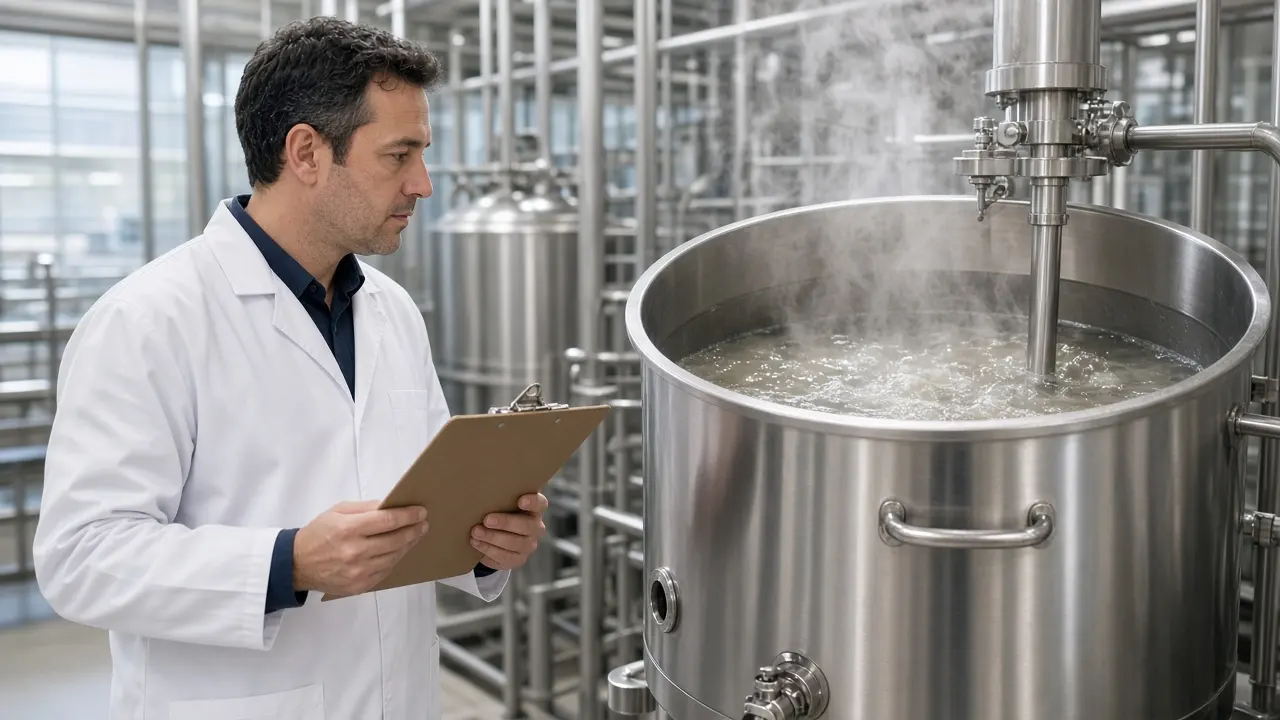
In a lot of plants, the batch tells the truth only when it is over. Yield, a failed check, a step that ran long, an ingredient addition that did not match the recipe — all of it lands in the batch record at closeout. By then the useful question has expired. The batch is what it is. The remaining job is to write down a lesson.
In-process visibility is the opposite timing. The same facts are visible while the batch is open, to the people who can still change it. A supervisor can hold the batch, repeat a check, adjust a step, or stop a bad addition before it becomes finished goods. The record is still being written. It is not yet a post-mortem.
What the floor actually needs to see
A live batch view is not a dashboard of plant-wide averages. It is the batch in front of the crew:
- Where it is in the recipe, and whether that step is on time.
- What has been consumed, by lot, against what the formula called for.
- Yield so far against the yield that quote and plan assumed.
- Checks that passed, failed, or are waiting, including anything on hold.
- Who is responsible for the next action, so an exception does not sit in a notebook until shift change.
Paper batch records can capture every one of those facts. They capture them late, and they capture them in a place only one person can read. If quality, planning, and the supervisor each hear about a drift at a different hour, the batch has usually moved on.
Why “we’ll review it at the end” costs the batch
End-of-batch review is necessary. It is not a control. A yield miss discovered at closeout can be costed, explained, and blamed. It cannot be reversed. Rework, if it is even possible, starts from a finished state and spends the line a second time. The cheaper correction was an in-process check that someone could see before the step was signed off.
This is the third of the five daily decisions: what needs attention right now? Plants that answer it from a closed record are always one batch behind. Plants that answer it from the open batch still have a run they can influence. The follow-on, once you can see the loss, is how that loss gets smaller on the next batches.
Visibility is also how the record stays true
There is a compliance side that operations feel immediately. If results are transcribed at the end of the day from scrap paper, the batch record and the batch can disagree. Genealogy, QC release, and any later question about what really went into the tote all depend on captures made when the step happened. MFGMAX Nutra ERP treats batch execution, quality, and traceability as one flow so the record is a byproduct of running the batch, not a reconstruction after it.
When that record is trustworthy, shipping and audit questions get shorter. That is the subject of lot genealogy for recalls and audits. You cannot trace a lot cleanly if the consumption was written down after the fact.
Questions plant teams ask
What is in-process visibility and why does it matter?
In-process visibility means the people running the batch can see yield, quality checks, and exceptions while the batch is open. It matters because an adjustment is still possible. After the batch record closes, the same numbers are only an explanation.
What should a supervisor see during a live batch?
Target versus actual quantity, which step the batch is on, in-process checks that have passed or failed, holds, and the lots already consumed. A stack of paperwork updated at the end of the shift is not the same view.
How is in-process visibility different from a finished batch record?
The finished batch record proves what happened. In-process visibility is that proof forming early enough to change the outcome: a hold, a rework step, or a correction before the batch is declared complete.
| Spreadsheet or binder | One record | |
|---|---|---|
| Yield | Known when the record is turned in | Visible while the batch can still be held |
| A bad lot | Found after the truck is booked | Seen before the lot is issued |
| The meeting | Explains yesterday | Can still change today |