
Home / Blog / Furniture and millwork
Furniture, cabinetry, and millwork
Job costing for furniture, cabinetry, and millwork shops
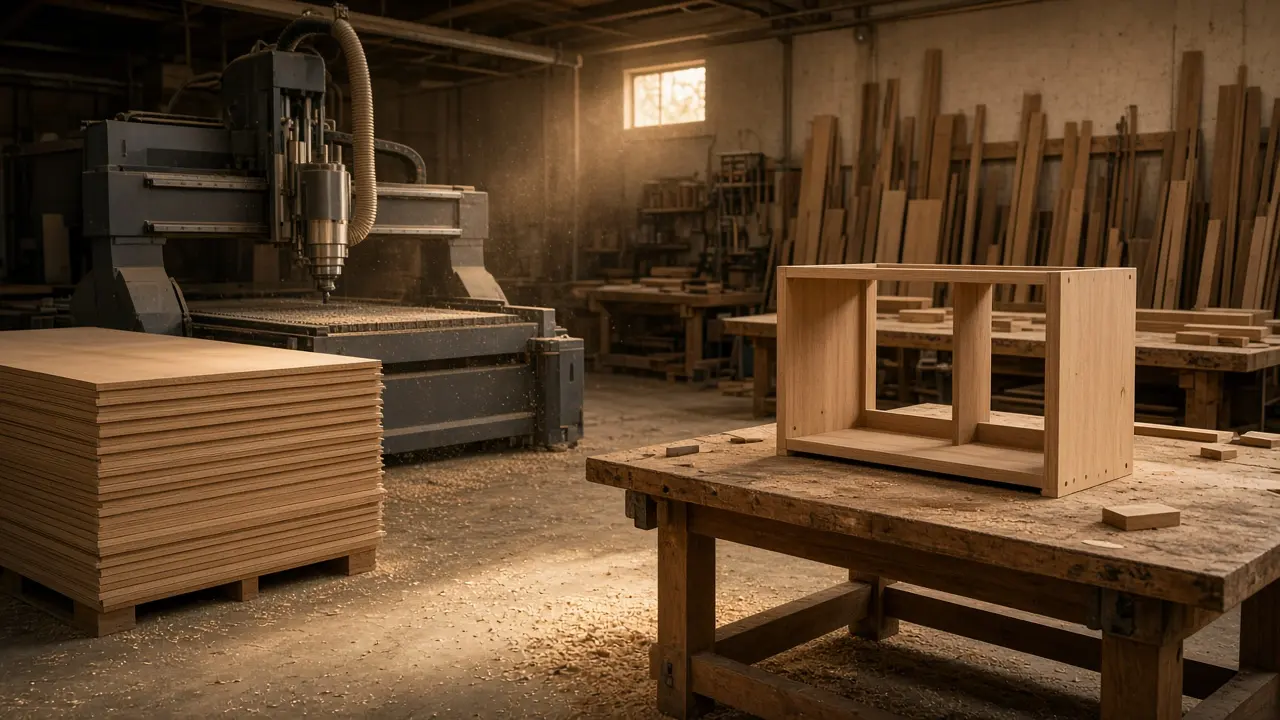
Custom furniture, cabinetry, and architectural millwork do not run on a single formula the way a batch plant does. Each job is its own bet. The estimate says what the materials, the hours, and the overhead should be. The shop then cuts, machines, finishes, and often installs something that is not quite the drawing the estimate assumed. Margin lives in the gap between those two descriptions of the job.
Shops that feel busy and still miss profit usually know which jobs hurt. They cannot see it until the job is invoiced, because material issues, recuts, and hours are sitting in different places: a cut list, a time clock, a supplier bill, and the original spreadsheet. By then the next estimate is already using the same standards that just lost money.
The estimate has to be a cost, not a price guess
A quote a shop can learn from includes:
- Materials at the prices you will actually buy, including hardware, finish, and the sheet goods the cut list implies.
- Yield. Offcuts, grain matching, and recuts are part of the job. A theoretical sheet count that ignores them will win work you cannot afford.
- Labor by activity — cut, machine, assemble, finish, install — with hours the crew has really needed on similar work.
- Overhead that belongs to the job, so a “profitable” materials number is not hiding an expensive finish room.
- A place for the change. Field revisions and customer upgrades have to be estimated again, not absorbed because the work already started.
This is the make-to-order version of quoting from a current cost. Batch plants go stale on ingredient prices. Shops go stale on hours and yield. The decision is the same: take the job with a number that can survive the floor.
Watch the job while it is open
Estimated versus actual is useless if it arrives with the final invoice. During the job, the shop needs to see material issued against the estimate, hours by activity against the hours that were sold, and whether the job is waiting on a part, a finish schedule, or a decision. That is how a lead catches an overrun in the week it is happening.
MFGMAX Furniture connects quoting, materials, inventory, production, labor, and job profitability for custom furniture, cabinet shops, and millwork. The questions owners actually ask — which jobs need attention, where actual cost is past the estimate, what inventory is free for the next release — are answerable only if the job is the system of record, not a folder. Builders who estimate projects, change orders, and crews have a parallel problem on MFGMAX Construction.
What the next estimate should inherit
A closed job that nobody reads will be repeated. The useful closeout is short: which cost missed, by how much, and whether the next similar job should carry a different yield or a different hour standard. If finish always runs long on hospitality fixtures, the standard is wrong. If one job ran long because of a drawing change that was never priced, the estimating process is wrong. Those are different fixes, and a single “we were over” does not tell them apart.
Batch and process plants do this with yield by recipe. Shops do it with jobs. Both are the last of the five operating decisions: what should the next cycle do differently, while there is still a cycle to influence. Yield loss and rework in a cabinet shop often look like recuts and a second trip through finish. Name them on the job and they stop hiding in “we had a busy month.”
Questions shop owners ask
What should furniture and millwork job costing include?
Materials at the prices you will buy, a realistic sheet or lumber yield, labor hours by activity, manufacturing overhead, and the change orders that land after the estimate. A material list without hours is not a job cost.
Why do cabinet and millwork estimates miss margin?
The usual misses are sheet yield that ignores offcuts and recuts, labor standards that do not match the finish or the install, hardware and finish bought outside the estimate, and change orders that were built but never priced.
When should a shop compare estimate to actual?
While the job is in process, not only after it is invoiced. Hours and material issued against the job during the week still leave time to catch an overrun. A report after the install explains a loss the shop already absorbed.
| Spreadsheet or binder | One record | |
|---|---|---|
| Materials | A takeoff that is not tied to the job | Issued to the job, including what the job used |
| Hours | Typed in on Friday | On the job while the crew is still on it |
| Margin | Known when the job is invoiced | Visible while the job is open |