
Wire and cable
Wire and cable: the reel, the yield, and the run
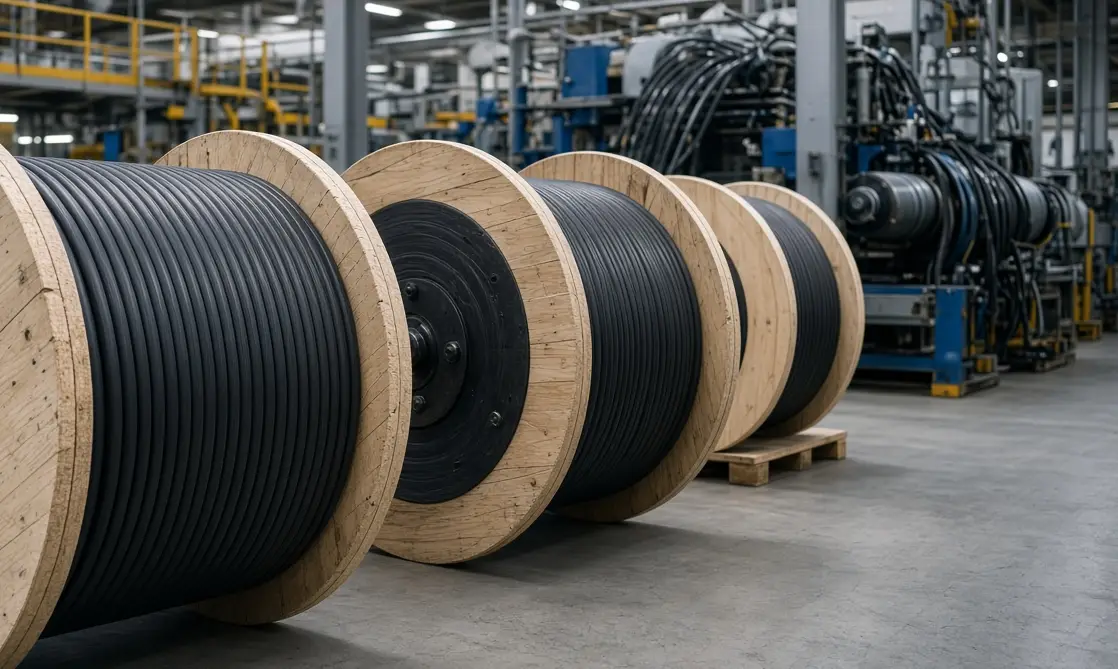
A cable run is priced by the foot. Start-up scrap, a break, and the feet left on the reel decide whether the run made money. Those feet are often found when the reel is weighed later.
A partial reel is either stock or it is still on the run. It should not be both.
What the open run has to show
- Conductor and compound lots on the run.
- Feet produced and feet scrapped before the run closes.
- A partial reel assigned back to stock or left on the job.
That is the same kind of gap as seeing the work while it is still open and quoting from a current cost.
The week the record is late
The next order is planned on footage that is still on a reel in the aisle, unassigned. Both orders cannot have it.
Assign the leftover footage before the next run is released. MFGMAX Heavy Metals holds that record. Accounting can stay where it is. Other systems can connect. What moves, and when, is shown before you commit. This does not replace a required material test, a weld procedure, or an environmental permit.
Mark the week on Problems and Solutions, or read how integrations stay with the platform instead of replacing it.
Questions
What should stay on the open run?
Conductor and compound lots on the run. Feet produced and feet scrapped before the run closes. A partial reel assigned back to stock or left on the job.
When should the run be compared with the quote?
While it is still open. A count after invoicing explains a loss. It does not give the material or the hours back.
What does MFGMAX connect this to?
Assign the leftover footage before the next run is released. This does not replace a required material test, a weld procedure, or an environmental permit.