
Printing
Printing: makeready, waste, and the job
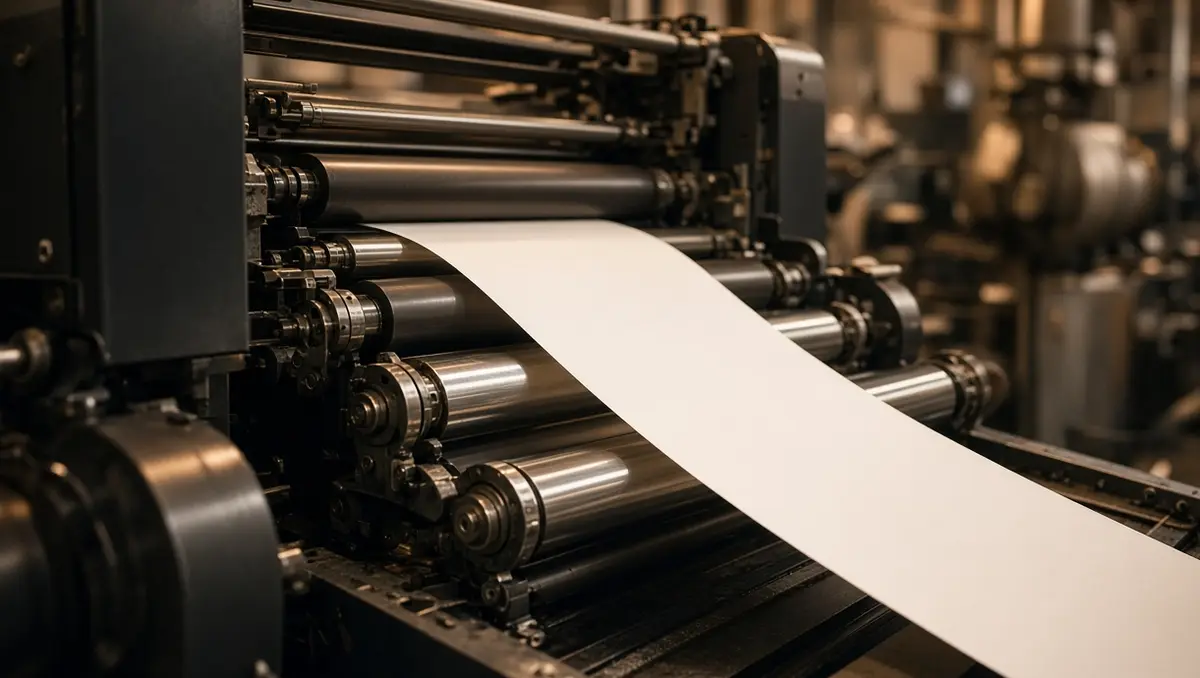
A print job is priced on a run length. Makeready sheets, a color correction, and a second pass are how a job that looked full of margin finishes thin.
Waste counted after the skid is wrapped explains a loss. It does not give the paper back.
What the open job has to show
- Paper issued to the job, including makeready.
- Good sheets versus sheets the estimate sold.
- Press hours on that job while it is still on the press.
That is the same kind of gap as seeing the work while it is still open and quoting from a current cost.
The week the record is late
The estimator used a makeready from a simpler form. This form takes twice the sheets. The customer’s price was approved yesterday.
Put makeready on the job while the press can still be watched. MFGMAX Furniture holds that record. Accounting can stay where it is. Other systems can connect. What moves, and when, is shown before you commit. MFGMAX keeps the job, the inventory, the price, and the balance on one record. Your accountant still closes the books. This is the history of what changed, not an audit opinion.
Mark the week on Problems and Solutions, or read how integrations stay with the platform instead of replacing it.
Questions
What should stay on the open job?
Paper issued to the job, including makeready. Good sheets versus sheets the estimate sold. Press hours on that job while it is still on the press.
When should the job be compared with the quote?
While it is still open. A count after invoicing explains a loss. It does not give the material or the hours back.
What does MFGMAX connect this to?
Put makeready on the job while the press can still be watched. MFGMAX keeps the job, the inventory, the price, and the balance on one record. Your accountant still closes the books. This is the history of what changed, not an audit opinion.