Tool and die
Tool and die: tryout hours and what the tool really cost
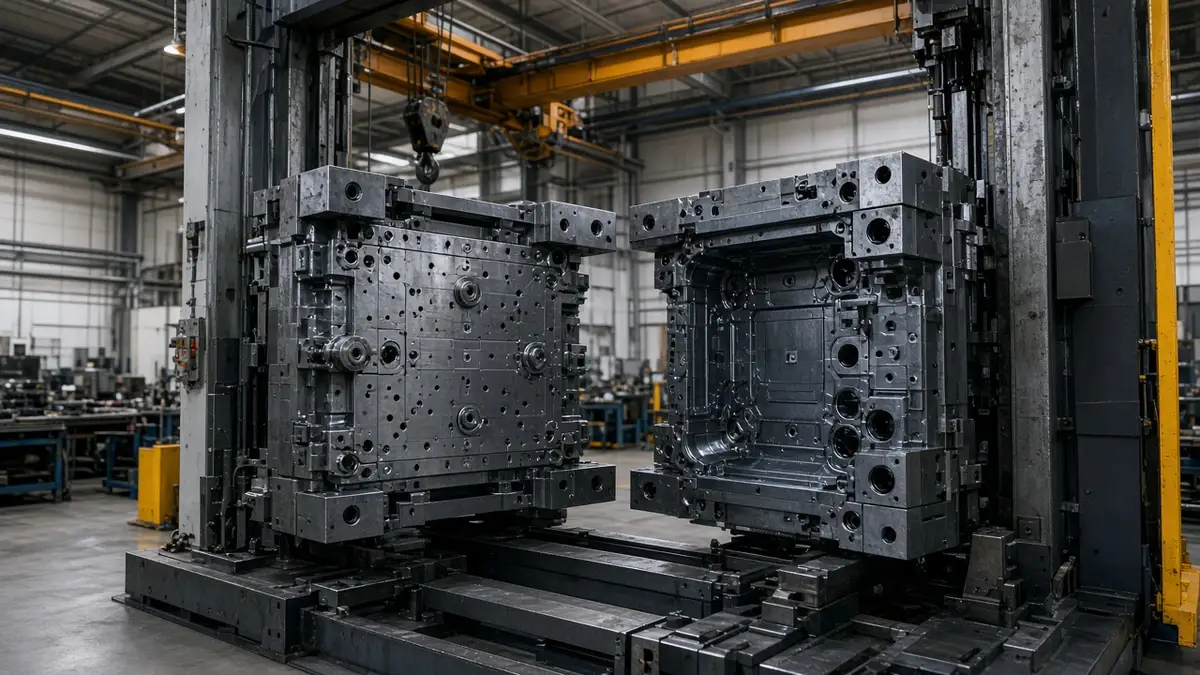
A tool is quoted as design hours plus build hours. Tryout, rework, and the inserts that were recut sit outside that quote until the tool is already late.
The customer’s price was set before the second tryout.
What the open tool has to show
- Design, build, and tryout hours on the same tool.
- Inserts and purchased components issued to that tool.
- Rework after the first tryout visible while the tool is still in the shop.
That is the same kind of gap as seeing the work while it is still open and quoting from a current cost.
The week the record is late
The first tryout fails a dimension. The recut takes two days. The estimate still shows the original hours. The invoice is the first time the tool’s cost is one number.
Keep tryout on the tool, not in a separate notebook. MFGMAX Heavy Metals holds that record. Accounting can stay where it is. Other systems can connect. What moves, and when, is shown before you commit. This does not replace a required material test, a weld procedure, or an environmental permit.
Mark the week on Problems and Solutions, or read how integrations stay with the platform instead of replacing it.
Questions
What should stay on the open tool?
Design, build, and tryout hours on the same tool. Inserts and purchased components issued to that tool. Rework after the first tryout visible while the tool is still in the shop.
When should the tool be compared with the quote?
While it is still open. A count after invoicing explains a loss. It does not give the material or the hours back.
What does MFGMAX connect this to?
Keep tryout on the tool, not in a separate notebook. This does not replace a required material test, a weld procedure, or an environmental permit.