
Rubber
Rubber compounding: the batch, the scrap, and the next mix
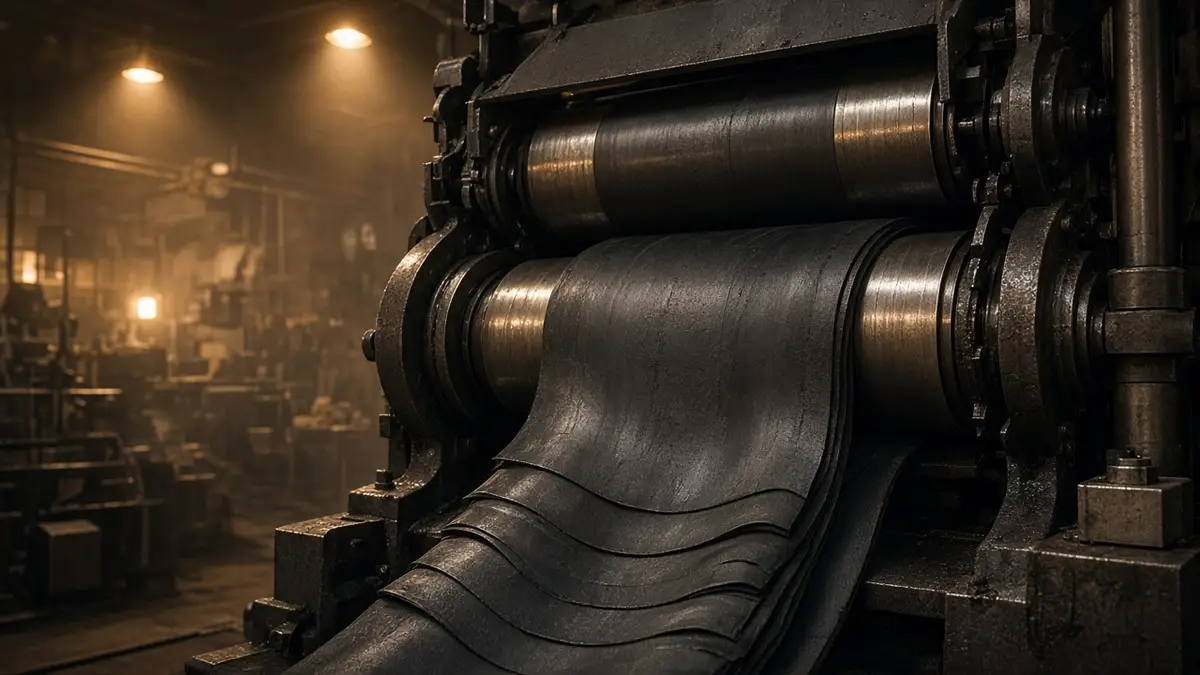
A rubber batch is a recipe and a mix that does not always match it. Scrap, a rework, and a raw lot substitution change the cost. The standard stays still.
The next mix is priced from the standard unless this batch is allowed to correct it.
What the open batch has to show
- The recipe and the lots the mixer actually charged.
- Good weight and scrap before the batch is closed.
- Rework kept on the batch that caused it.
That is the same kind of gap as seeing the work while it is still open and quoting from a current cost.
The week the record is late
A mix is reworked. The rework uses more of an expensive ingredient. The cost rollup still shows the first mix. The next order is quoted from that rollup.
Let the batch that was mixed correct the next price. MFGMAX Beverage and Food holds that record. Accounting can stay where it is. Other systems can connect. What moves, and when, is shown before you commit.
Mark the week on Problems and Solutions, or read how integrations stay with the platform instead of replacing it.
Questions
What should stay on the open batch?
The recipe and the lots the mixer actually charged. Good weight and scrap before the batch is closed. Rework kept on the batch that caused it.
When should the batch be compared with the quote?
While it is still open. A count after invoicing explains a loss. It does not give the material or the hours back.
What does MFGMAX connect this to?
Let the batch that was mixed correct the next price.